

On June 26, 1975, Barney Curley pulled off one of the most famous betting coups in horse racing history. Dubbed the “Yellow Sam” coup, the scheme involved backing a horse named Yellow Sam to win a race at the Bellewstown racecourse in Ireland, and it ended up netting Curley and his accomplices a cool 300,000 Euro (equivalent to around £2 million today).
But how did Curley manage to pull off such a massive betting coup? And how did the “Yellow Sam” nickname come about?
To understand the Yellow Sam coup, it’s necessary to first understand a little bit about Barney Curley himself. Born in Northern Ireland in 1939, Curley was a successful businessman and a seasoned gambler who had made a fortune through a variety of ventures, including property development and racehorse ownership. He was known for his love of a good bet and his willingness to take risks in pursuit of a big payout.
The Yellow Sam coup was masterminded by Curley in collaboration with a group of accomplices. The plan was to get Yellow Sam, a relatively unknown horse owned by Curley, to win a race at the Bellewstown racecourse in Ireland.
Setting Up Yellow Sam…
Curley knew that Bellewstown had a crucial vulnerability: the track had only one public telephone line that bookmakers used to communicate with their offices to adjust odds. By strategically blocking this phone line, Curley could ensure that bookmakers could not react in time to cut the odds once his team had placed large bets on Yellow Sam.
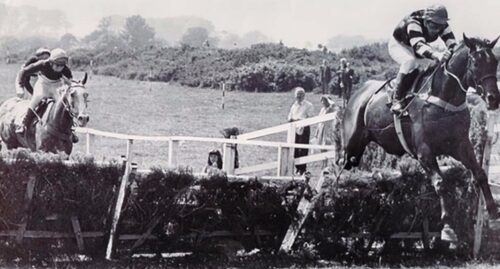
To execute this, an accomplice was stationed at the only telephone booth at the course, pretending to have an urgent and lengthy conversation about a fictional dying relative. Meanwhile, Curley’s team placed large bets at betting shops across the country, securing odds of 20-1 before bookmakers could adjust them.
Yellow Sam…
On the day of the race, Yellow Sam was considered a massive outsider, but thanks to strategic training and a skilled jockey, the horse defied expectations and won the race. Since the odds remained unchanged due to the blocked telephone line, Curley and his team collected a staggering £500,000 in winnings, a fortune at the time.
The Yellow Sam coup was a massive success, and because no laws were technically broken, Curley was never charged with any crime. Unlike what some myths suggest, he was never convicted or sentenced to prison for the coup.
Despite its audacity, the Yellow Sam coup remains one of the most legendary betting coups in horse racing history. It showcases the cunning and strategic mind of Barney Curley, a man who was always willing to go the extra mile in pursuit of a big payday.
The “Yellow Sam” name, meanwhile, came from a nickname given to the horse by its previous owner, not from a yellow pen used to place a bet, as some myths suggest.
In the years following the Yellow Sam coup, Curley continued to make headlines as a successful businessman and gambler. He remains a controversial figure in the world of horse racing, but his reputation as a risk-taker and master strategist is well deserved.