
Poker combines skill, strategy, psychology, and just a hint of luck in the short term. But, long-term success depends on a player’s ability to evaluate situations and make smart choices. It all starts with knowing how to assess hands accurately.
Beginners may feel like they’re decoding a complex puzzle, but it can soon become second nature. There are several steps a new poker player can take to quickly learn how to assess hands to gain an early advantage.
Whether dabbling in online games or starting your journey towards professional poker, having solid hand assessment abilities is the first step. To deepen your poker experience, consider joining an iGaming affiliate marketing network like Ghost Partners, where you will find opportunities to partner with trusted poker rooms and casinos. You can create content that helps others learn the game while monetizing your love for poker.
Memorize Hand Rankings
The first step to assessing poker hands is to memorize the hand rankings. It’s impossible to evaluate the strength of your hand or your opponents’ if you don’t know what beats what.
Here are the basic hand rankings in Texas Hold’Em, from strongest to weakest:
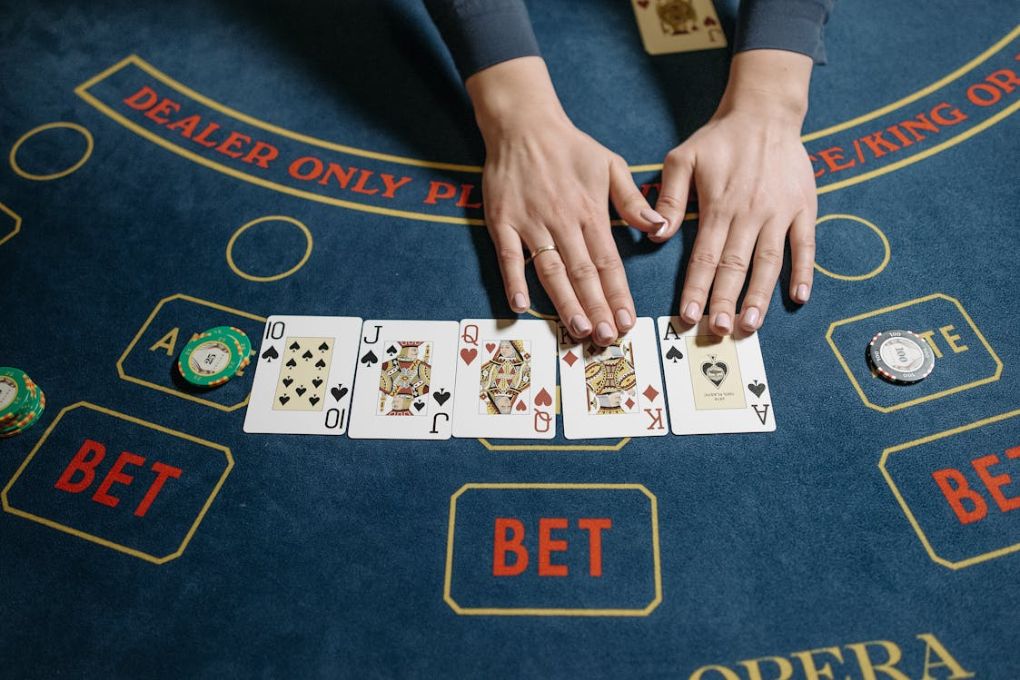
- Royal Flush – same suit, 10, J, Q, K, A.
- Straight Flush – same suit, five cards in a row.
- Four of a Kind – four of the same cards in each of the suits.
- Full House – three of a kind and a pair.
- Flush – five cards in no numerical order of the same suit.
- Straight – five cards in numerical order, different suits
- Three of a Kind – three cards of the same numerical value, two non-paired cards.
- Two Pair – two pairs of the same card in one hand.
- Pair – a single pair of the same numerical value card in a hand.
- High Card – a hand without any matching cards.
Memorizing the hand rankings can avoid costly mistakes. This can be aided by flashcards or apps to help memorize the hierarchy.
Understand Starting Hands and Position
The next step is to understand which hands to play and when to play them. The value of hands changes based on where you’re sitting at the table:
- Early position (EP): You’re first to play, so play only strong hands, for example AA, KK, QQ, or AK.
- Middle position (MP): You can slightly widen your range by playing AQ, JJ, or 99.
- Late position (LP): You can play specialitve hands as you have more information, like small pairs or suited connectors.
Starting hand charts can be found online for free and are great tools for beginners.
Record Your Hands
A poker player who wants to play a competitive game should keep a record of all hands played. A notebook or digital spreadsheet will suffice. There are also several programs, like Poker Tracker or Hand2Note, that simplifies the process. This is so that you can study your hands afterwards.
Note down the following after each game:
- Hole cards
- Position at the table
- Board cards
- Opponent actions
- Final result
It’s a good habit to have and forces players to think critically about the decisions made for losing and winning hands.
Prepare Hand History To Find Tough Spots
Once you start logging your hands, you should ensure you’re sticking to the same format each time so you can get clean feedback and spot patterns in your gameplay.
You can take this a step further by preparing hand histories of tricky or confusing spots. A hand history is a detailed breakdown of each hand, including actions taken and context around the play.
You can then go back and analyze, for example, if the pre-flop raise was too loose or aggressive, or what you hoped the opponent had.
These histories can be shared on public forums to get feedback to improve your game.
Make Use of Free Tools and Apps
There are dozens of free tools, apps, and tracking software that help players evaluate hands and make decisions.
Examples include:
- PokerStove: Analyze equity between hands.
- Flopzilla: Understand how a hand interacts with flop textures.
- SnapShove: Discover optimal push or fold strategies for tournaments.
Spending just a few minutes each day practicing with these tools will help players grow their understanding of which hands to play as well as how to interpret various poker scenarios.
Learn From Others
Learning from professional players is highly valuable for hand analysis skills. There are plenty of free YouTube videos breaking down hands, with BlackRain79 Poker and Doug Polk Poker two notable creators.
There are also plenty of strategy articles and hand reviews written by experts or people who have played for many years. Poker forums or subreddits are great places to discuss various hands and share your hand histories to receive feedback.
Professionals in any skill love sharing information with beginners. Professional poker players tend to offer courses or books on hand analysis (and other poker strategies) that can transform the game.
By seeing how other players analyze hands, you will understand their logic and start to incorporate it into your own decisions until it becomes second nature.
Wrapping Up
Practice is key to mastering hand analysis. It is a vital skill that beginners must master if they want to survive at the table. It starts with the basics, like memorizing rankings and positional awareness, and continues on to thorough study, review, and learning from the pros.
Free tools can help players maintain consistency in their assessments. As long as you never stop analyzing your play, you will see long-term success.