
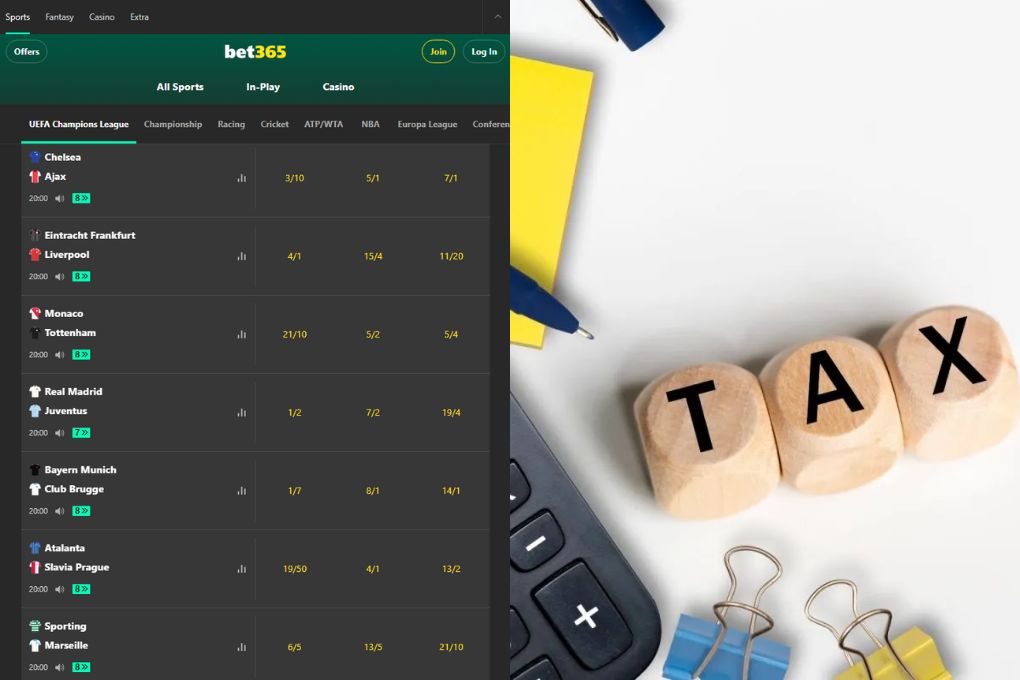
Rumours of a gambling tax hike have been swirling for months now…
If you trade regularly, it’s hard to ignore the chatter: MPs are calling for higher duties, think‑tanks manipulating numbers, and bookies warning of shop closures.
I’ve been around long enough to know that politics rarely plays out exactly as predicted, but the decisions coming out of Westminster in 2025 could genuinely change the way we bet. Rather than obsess over headlines, let’s look at what’s actually on the table and what it means when you’re actually betting…
UK Gambling Taxes: What’s Really Changing?
Two government initiatives are already locked in. First, there’s a statutory levy on all licensed gambling, which took effect on 6 April 2025. The Gambling Commission explains that this levy replaces voluntary contributions and funds research, prevention and treatment of gambling addiction.
This levy is collected on every operator’s gross income with rates ranging from 0.1% to 1.1% depending on the activity. For exchange users like us, the levy sits in the background (operators pay it directly) but it does marginally increase the cost of doing business…
The second change isn’t a rate rise but a move to simplify taxes.
Right now, online operators juggle remote gaming duty (21%), general betting duty (15%) and pool betting duty (15%). Wiggin Legal produced a deeper report about those rates. In April 2025 HM Treasury launched a consultation proposing to merge these into a single Remote Betting & Gaming Duty, so operators would file one return instead of three. The consultation claims that it isn’t setting a new rate; that would come later as part of a Budget.
However, whichever way you look at it – consolidating different duties and altering their numbers is indeed, setting a new rate…
Political Pressure v Big Proposals…
Currently, political pressure is building. A cross‑party group of more than 100 MPs wrote to the Chancellor asking her to double general betting duty to 30% and raise remote gaming duty to 50%. They claim this would bring in nearly £3 billion a year extra. Former prime minister Gordon Brown backs the idea claiming that it could help child poverty in the UK.
What has gambling got to do with child poverty funding? I hear you say.
Nothing. Other than it sounds good for those backing tax rises…
Analysts at Regulus Partners have scrutinised the maths. They argue that doubling general betting duty and lifting remote gaming duty would deliver around £2.1 billion, not £2.9 billion. And, perhaps most importantly, this would be if betting companies did not react.
To hit the higher figure you’d need to increase machine games duty to 50% and casino duty bands, which the MPs didn’t mention. They also warn that brick‑and‑mortar bookmakers operate on margins around 10%. A huge tax jump could wipe out profit and risk up to 80,000 jobs.
This is where the industry has started to push back…
Entain’s CEO, who runs Ladbrokes and Coral, said the company may close shops if taxes go too high. Betfred’s Fred Done has said they will close 1,300 stores. Other operators echo this; they argue that regulated shops provide a safer environment and that forcing closures will drive more punters online or into the black market. This matters because, as things stand, around 38% of gamblers already play online versus 29% in shops. Shift more people to the internet, and the exchange could well see a liquidity boost!
What it Means for Your Betting Bankroll:
So far, we have one confirmed levy, one structural consultation and a lot of political noise.
So how should you react? Here’s my take…
If tax hikes eventually shutter high‑street shops, thousands of ordinary bettors will migrate to apps. That influx of inexperienced money often creates an opportunity. As a trader, that’s a gift; the more panic and overreaction, the more opportunities to swing trade. On premium fixtures, that also means more betting liquidity for Betfair scalpers.
General betting duty is currently levied on bookmaker profits and on exchange commission. If the rate were increased, Betfair’s cost base would rise. In the past, operators have responded by tweaking commission or imposing extra charges like the Betfair Expert Fee. A small jump in commission might not sound disastrous, but over thousands of trades it eats into your margins.
Analysts caution that aggressive tax regimes can backfire, pointing to the Netherlands and Austria where high duties pushed customers to unregulated sites. Don’t be lured by untaxed odds. Unlicensed operators don’t guarantee payouts and have no consumer protection. Besides, the exchange already offers better value than most fixed‑odds books once you factor in the overround.
This isn’t the first time taxes or regulations have shifted. Back in 2019, remote gaming duty went from 15% to 21%. Sure, it was a smaller rise, but little changed. Markets adapt quickly, and those who stayed disciplined continued to profit.
If rates rise again, we’ll have to adapt again. The key is focusing on what you can control – not what the government might do.
The Takeaway Here:
UK gambling taxes will no doubt change. Whether we end up with a single remote duty at a sensible rate or a politically driven hike remains to be seen. In the meantime, worry less about debates in Westminster and more about the opportunities in front of you. If high‑street closures push more traffic online, be ready for deeper pools and occasional volatility. If commission edges up, factor it into your staking. And if politicians succeed in making gambling more expensive, remember that the house doesn’t have to win. Disciplined traders can still carve out an edge…
Change is inevitable; adapting is what really matters.