
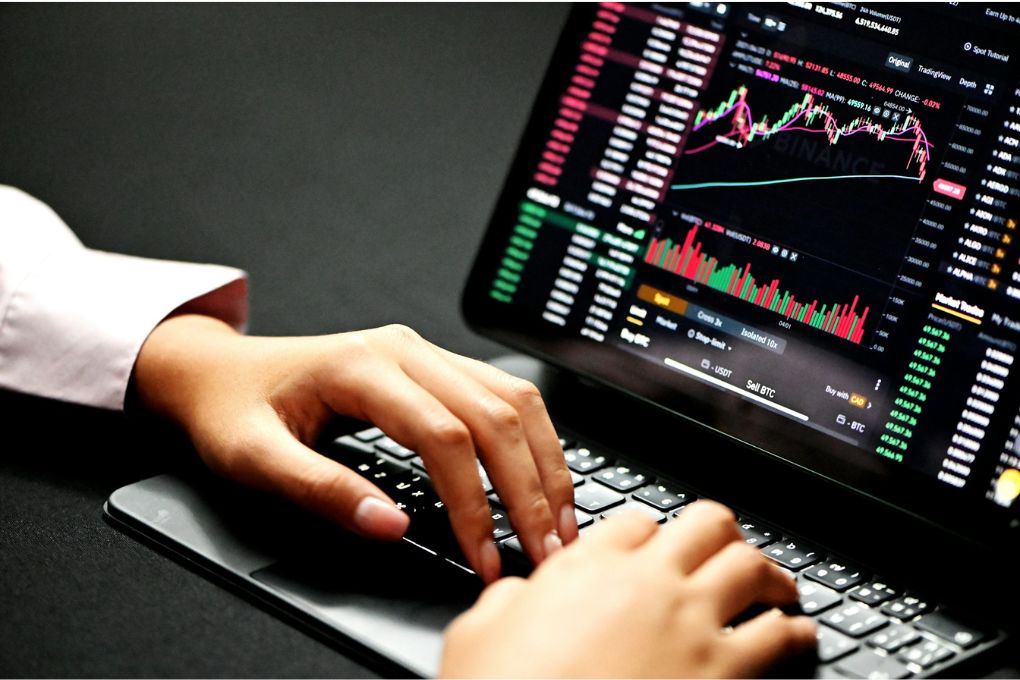
When it comes to sports betting, most punters rely on instinct or the latest team news. Traders, on the other hand, look for signals, patterns, price moves, and volume spikes. Shadow trading in betting markets is about just that: watching where the money is going, then positioning yourself accordingly. It borrows tactics from financial trading, where market participants track the behaviour of whales or institutional flows. In betting, it’s not just who places a bet, but when and how the market reacts to it. Done right, shadow trading allows you to piggyback off sharper moves with better timing.
Reading the Market’s Mood
Online sports betting markets aren’t random. They’re shaped by thousands of individual bets, each reflecting someone’s belief in an outcome. The cumulative effect of this activity shifts prices. As a trader, watching these moves closely can tell you where sentiment is heading and when something doesn’t quite add up.
Many users on online sports betting sites in the UK rely on odds alone to assess a market, but odds are just surface-level. What matters more is the volume of matched bets and how quickly the prices react to certain events. On betting exchanges, that data is live and transparent. Some sites have pointed out how smart traders capitalise on this flow by tracking money movements, particularly before major line-ups drop or after sharp news events. Knowing how and when to interpret these moments is key to getting an edge.
Price Movement Tells a Story
Every market has a rhythm. Prices don’t drift or crash for no reason. One of the first lessons in shadow trading is that when prices shorten quickly, especially in markets with relatively low liquidity, there’s usually a reason behind it.
Imagine a Championship football match with a stable price on the home team at 2.20 for most of the day. Suddenly, over 15 minutes, it steams into 1.90. If team news hasn’t been released yet, and the trading volume is still modest, this kind of movement can suggest sharp money entering the market based on leaked information.
The mistake many newcomers make is assuming they’ve missed the move and staying out. In reality, a fast price change might just be the beginning. Professional traders often scale into positions and continue backing through the movement, particularly if there’s still perceived value.
Volume Spikes and Market Reactions
Volume is the fuel that powers the market. Low liquidity often leads to erratic moves, but volume spikes in high-liquidity markets usually indicate interest from serious players. Shadow traders monitor these spikes as potential trade signals.
For example, if a tennis market has low matched volume all morning, but suddenly a flurry of £5,000 bets are matched in 60 seconds, that’s a major flag. It doesn’t mean the outcome is certain, but it does mean someone is confident enough to risk serious money. Tracking this kind of volume, especially when it’s out of sync with the general sentiment, can give you a valuable head start.
Another factor to watch is how the market reacts after big volume moves in. If the price immediately rebounds, that suggests there was little follow-through, possibly an overreaction or a spoof. However, if it holds or continues in the same direction, it can signal a trend worth following.
Late Moves Before Kick-Off
One of the busiest and most revealing times in any betting market is the final 10 to 15 minutes before an event begins. During this window, liquidity is at its highest, traders are repositioning based on team news, pitch conditions, or weather updates, and large syndicate money often enters the market.
Sharp moves during this time are less likely to be noise. They’re usually based on new information or an accumulation of insight gathered throughout the day. In horse racing, for instance, late market support is often considered the best signal of stable confidence.
Shadow traders aim to follow these last-minute moves without jumping in blindly. Instead, they track where the money is going, then wait for a moment of hesitation, a slight retrace, to enter the trade at a favourable price. It’s about timing, not chasing.
Watch List Markets and Repeat Behaviour
Patterns repeat, especially in markets with similar structures and participant behaviour. Certain football leagues, for example, are more prone to late market moves, while some horse racing stables consistently show betting patterns that hint at confidence.
By creating a watch list of markets that frequently behave in predictable ways, shadow traders can focus their attention on the most promising opportunities. Over time, you’ll begin to notice teams or matchups where the same types of pre-match drifts and steams occur. This kind of situational awareness builds the foundation for consistently profitable trading.
Tools That Help Track the Flow
You don’t need an elaborate setup to get started with shadow trading. A basic trading interface, time-stamped price charts, and market volume overlays can do the job. However, traders who want an edge may use different software options to view ladder interfaces and real-time price depth.
These tools show where resistance lies, where large unmatched bets are waiting, and where prices are thin, suggesting potential for fast movement. They also help you spot spoofing tactics, where a trader fakes intent to move the market.
Some platforms can be useful for comparing market moves across different bookmakers. If a trading price on a football match drifts but the same team is being backed as favourite at four major bookies, something’s off. Spotting these inconsistencies is part of the job.
Trading Reaction vs Prediction
One of the biggest differences between punting and shadow trading is mindset. Bettors want to be right. Traders want to make a profit. That means you don’t always need to predict the outcome of the event; you just need to predict the direction of the market.
A shadow trader doesn’t care if a team wins or loses, only whether the market moves in the expected direction before the event starts. If the price on an underdog crashes from 6.0 to 4.8 and the trader got in early, they can exit with profit before a ball is even kicked. This reactive approach removes emotion and anchors your decision-making to what the market is actually telling you, not gut feel.