Everything changed when digital came into our world, and now it is in the digital realm. Casinos have morphed into an online format, changing not only how players play, but how they think and feel about casinos. But, as there are still physical casinos around, there must be a good reason for it? They’ve survived and adapted to the transition, but what does the future hold for both?
Bonuses and promotions
This is where online casinos come out swinging. Free spins. Deposit matches. Cashback bonuses. Loyalty points. Some users sign up just to take advantage of the promos. You can’t blame them. Platforms fight for attention. They push constant offers, update their perks weekly, and tailor deals to user history.
In many cases, a player’s decision about where to play depends more on the bonus page than the actual games. And it can get tricky to find a good spot to play, as there are many options for players to choose from. To make the selection a bit easier, Elliot Law and Darragh Harbinson have written about various UK casino bonuses in their article, gathering places where any player can start their online journey.
Brick-and-mortar perks feel different. Think comped drinks, a buffet voucher, maybe a free room if you’re lucky (or betting big). These rewards often come slower, and they’re more about creating an overall experience than padding your bankroll.
Accessibility and reach
Let’s start with the obvious. Online casinos win on accessibility — no question. Whether someone’s at home, riding the train, or up late and restless, they can log in and play. No planning. No dress code. No closing time.
Some people don’t live near a casino. Others don’t feel comfortable in that environment. And then there’s the practical crowd — folks who want to play a few rounds of blackjack without booking a hotel room or buying a drink they don’t need. The effect? A wider audience. You’ll see more younger players, more casual users, and more variety in age and background. Online platforms lower the barrier — and not just in location.
Game variety and innovation
If we’re talking pure volume, online wins. It’s not even close. Thousands of slot themes. Dozens of poker variations. Roulette with side bets you’ve never heard of. Games built around movies are getting better and better. We have games around mythology and even candy. Developers drop new titles constantly. They experiment. Some ideas stick. Some crash. But there’s movement. The digital space allows for risk and creativity in ways that physical venues just can’t match.
A traditional casino? It’s anchored in the real world. They’ve got space limits, licensing restrictions, and fire codes. You’re going to find the classics. Maybe a few digital screens mixed in. But it’s not a lab for innovation.
Atmosphere and social dynamics
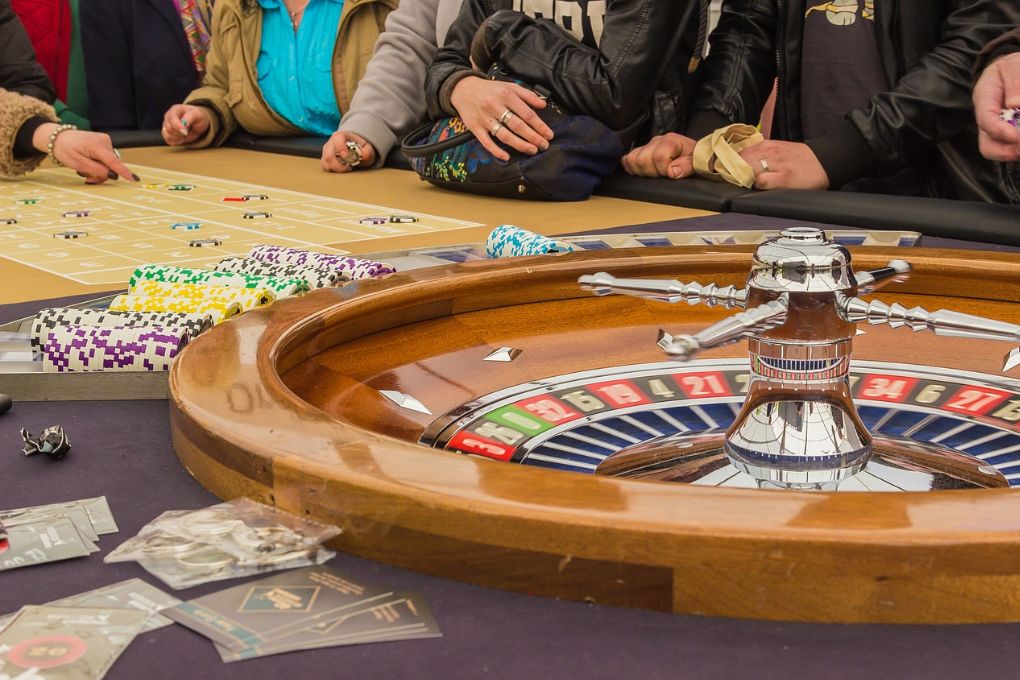
This part’s personal. It’s also harder to measure. But it’s where traditional casinos really hold their ground. Casinos bring energy. There’s a kind of buzz, even when you’re losing. People cheering at a craps table. Someone is yelling across the room. Conversations with strangers. It’s not all glamorous, but it’s alive.
Online gambling is efficient — and that’s the upside and the downside. You log in. You click. You play. There’s no dress code, but also no tension. No eye contact with the dealer. No one to share your win — or loss — with.
Sure, there are live dealer games, chats, and tournaments. But most users don’t chat. They just play. It’s streamlined, solitary, and private. Which, to be fair, some players prefer. Not everyone wants to make small talk while doubling down.

Spending behaviour and psychology
There’s something slippery about digital money, and why physical money still matters for most players. You top up your balance, press a few buttons, and suddenly you’re down a hundred. No cash exchanged. No chips counted. It’s abstract. Easy to ignore until it’s not. That abstraction can mess with your judgment. Losses feel less painful when you never hold the money in the first place. And autoplay? Dangerous. It keeps going even when your attention doesn’t.
Physical casinos slow you down. Not always enough, but more than online platforms do. You need to walk to a cashier, hand over real money, and feel it leave your fingers. That friction can act like a circuit breaker.
Conclusion
Online and physical casinos cater to different instincts. One is built for speed and volume. The other still leans into the sensory, the personal, the unpredictable. The better choice? Depends on what kind of gamble you’re really taking.
Related: What Does RTP Mean in Betting? Return‑to‑Player Explained