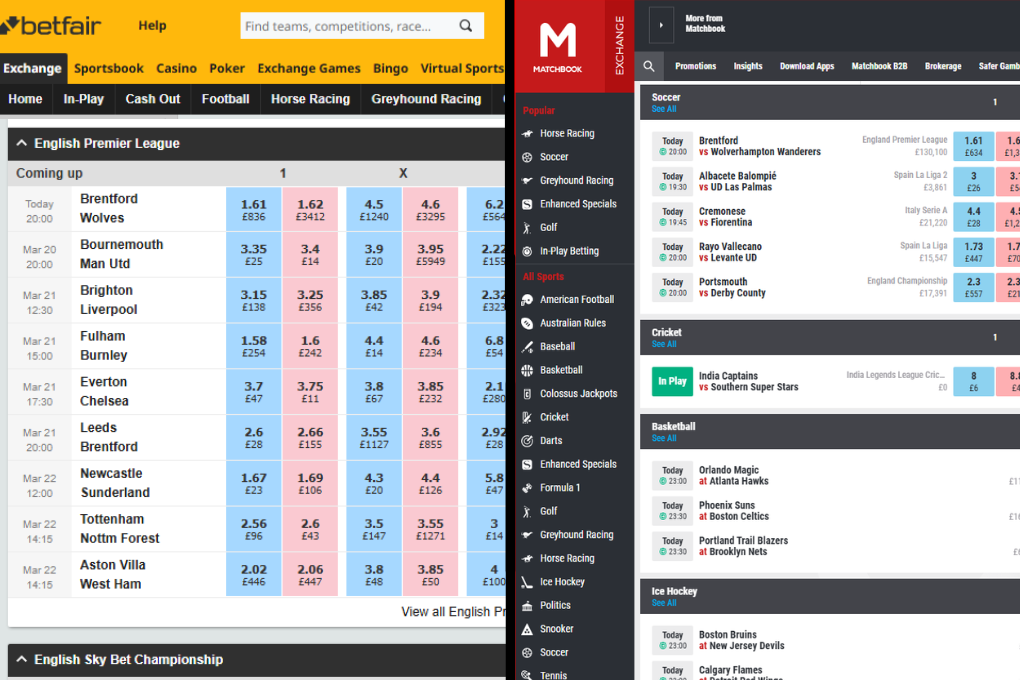
When you’re serious about sports betting, your choice of exchange is as critical as your strategy. Enter the Betfair v Matchbook debate…
Finding the right platform for your approach is imperative. Largely, the decision hinges on the balance of commission costs, market depth, and the subtle art of execution.
So in this short article, we will compare what matters to help you decide which platform best serves your ambition.
The Fundamental Difference: Exchange Model & Liquidity
Before dissecting fees and markets, understanding the core difference between these platforms is essential. It’s this foundation that shapes every aspect of the trading experience.
Note: for those who don’t already know, there’s a short article here about how a betting exchanges work.
Betfair
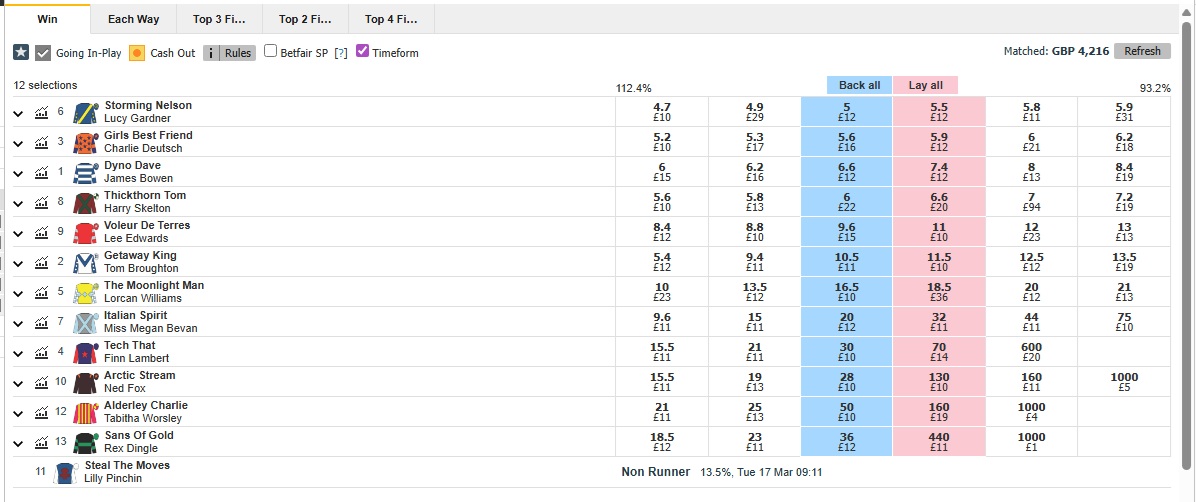
Betfair is the pioneer and colossus of the betting exchange world. Think of it as the electronic trading floor for global sports, where billions of pounds are matched annually. Its primary advantage is sheer scale. For major football matches, horse races, or tennis tournaments, the liquidity is immense.
This depth means you can place large stakes, particularly on popular markets, without significantly moving the price. That’s a crucial factor for serious traders.
Furthermore, the platform’s ecosystem, including the Betfair API and advanced tools like Bet Angel, is deeply established. This makes it the default hub for professional trading activity in the UK.
Matchbook
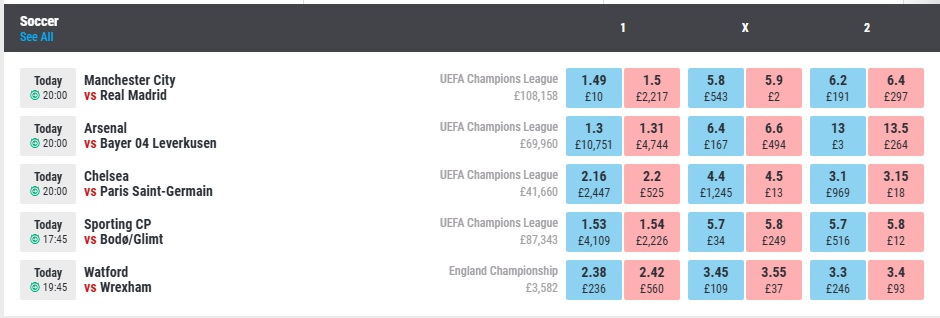
Matchbook operates on a trader-first model. Often described as an “exchange-lite,” it focuses on efficiency and value. While its overall liquidity is smaller, it frequently offers tighter spreads (the gap between back and lay odds) on core markets.
This can mean better starting prices. Overall, Matchbook’s structure is designed to attract sharp, price-sensitive bettors, creating a concentrated pool of knowledgeable activity.
For traders who specialise in specific sports or prefer a less cluttered interface, this focus can be a significant advantage.
Commission Structures
For a trader, commission isn’t just a fee, but a direct deduction from your hard-won edge. How each platform charges is a defining characteristic.
Betfair’s Commission Model
Betfair employs a variable commission rate based on your weekly account activity. This Betfair Expert Fee model is designed to reward consistent, high-volume trading.
Here are the key things to note:
- Base Commission: Typically 2-5% on net winnings per market, but can be as low as 2% for high-volume users.
- Betfair expert fee: A key differentiator. This is a supplementary fee (up to 20%) applied to consistently successful traders whose commission generated is deemed less than a certain threshold of their profits. It’s a complex rule that primarily affects highly profitable, low-turnover traders.
- Key Consideration: For the casual or moderate trader, standard commission is straightforward. For the highly successful professional, the Betfair expert fee calculation becomes a critical part of their P&L.
Matchbook’s Commission Model
Matchbook champions simplicity and low cost. Its model is designed to be transparent and predictable, appealing to traders who dislike complexity.
Here’s what to note:
- Flat Commission: A simple percentage charged only on net winnings. Rates are typically lower than Betfair’s base rate, often around 1-2% for most users.
- No Betfair expert fee: This is Matchbook’s major selling point. There is no additional success fee, allowing traders to keep a more predictable portion of their profits.
- The Bottom Line: If you value straightforward, low-cost pricing without layered rules, Matchbook’s model is inherently attractive.
The table below summarises the core financial differences a UK trader must weigh:
| Feature | Betfair | Matchbook |
| Commission Model | Variable, 2-5% base + Potential Betfair expert fee | Simple, flat fee on net winnings (typically 1-2%) |
| Key Fee Consideration | The Betfair expert fee for high-profit traders | Lower base rate, no success penalties |
| Pricing Edge | Unbeatable liquidity for large stakes | Often tighter starting spreads |
| Best For | Traders needing maximum market depth & size | Cost-focused traders who value pricing transparency |
Market Depth & Availability: Where Can You Play?
Liquidity is theoretical if the market you want isn’t available. The range and depth of markets are where Betfair’s scale becomes overwhelmingly evident.
Betfair
Betfair’s primary strength is the sheer breadth of its coverage, which extends far beyond the Premier League football and Grade 1 horse racing that form its core. You will find exceptionally deep, liquid markets for global sports like:
- NBA playoffs
- NFL Super Bowl
- International cricket test matches
- Major rugby union tournaments
Furthermore, Betfair’s catalogue extends into highly specialist areas, including detailed political event trading, entertainment awards, and financial indices.
However, its true strength is in-play trading. The liquidity and velocity of odds movement during a live football match, tennis set, or horse race are unparalleled, fuelled by its massive user base.
Matchbook
Matchbook’s approach is curated, concentrating liquidity on the markets where its user base is most active. You will find robust and reliable coverage for all major sports—the top football leagues, premier horse races, grand slam tennis, and key US sports. There’s a wide range of countries Matchbook is legal in.
The core markets for these events are well-supported and often feature notably tight pricing. Additionally, Matchbook consciously narrows its focus, meaning coverage of more niche sports, lower-tier leagues, and the infinite array of in-play markets.
Its in-play trading capability, while perfectly functional and efficient for headline fixtures, does not replicate the real-time trading frenzy of Betfair’s platform.
The Trader’s Verdict: Who Prefers Which Platform?
The choice between Betfair and Matchbook isn’t about which is better, but which aligns with your trading personality, style, and volume.
When Betfair is the Preferred Tool
Most professional and high-volume traders in the UK maintain a primary presence on Betfair. It’s the indispensable venue for those who:
- Trade large stakes and cannot afford to move prices in thinner markets.
- Specialise in in-play trading, where liquidity is paramount and seconds count.
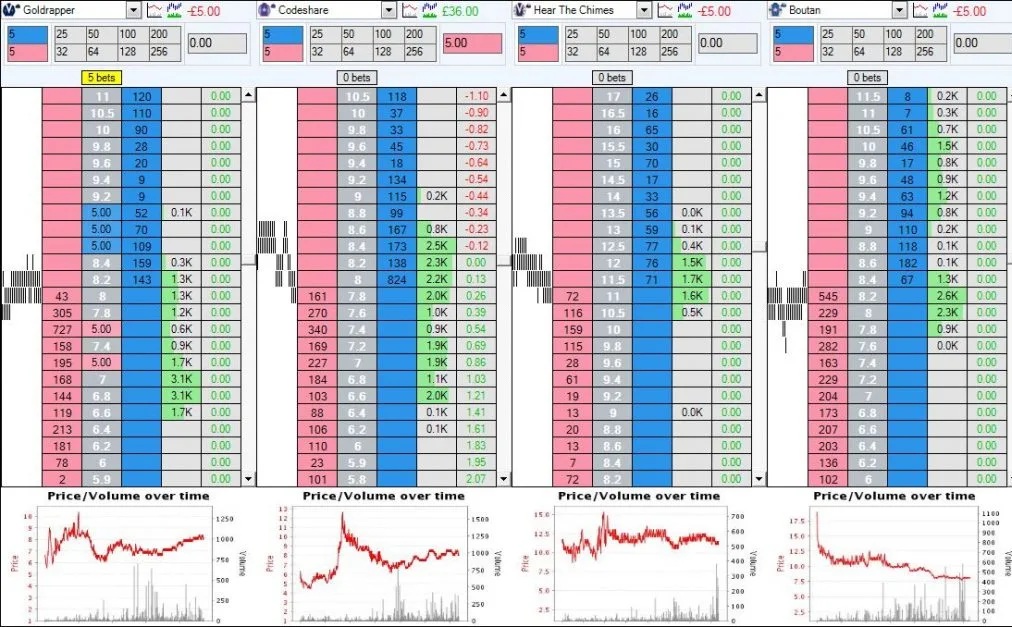
- Rely on advanced trading software (like Geeks Toy, Bet Angel) that is deeply integrated with the Betfair API.
- Operate across a wide range of sports and markets, needing a one-stop shop.
- Can manage or mitigate the impact of the Betfair expert fee through their trading volume and strategy.
When Matchbook Gains the Edge
Matchbook has cultivated a loyal following among a specific type of trader who prizes efficiency. It is often the platform of choice for:
- Cost-conscious professionals who are highly profitable and want to avoid complex success fees.
- Pre-event traders who focus on securing the best possible price ahead of an event, where Matchbook’s tight spreads offer a genuine edge.
- Sharps and value hunters who believe the concentrated pool of knowledgeable users leads to more efficient, less emotional markets.
- Traders who prefer a cleaner, simpler interface without the sometimes-overwhelming ecosystem of Betfair.
Visit the Betfair website to explore its vast trading interface, or check out Matchbook to experience its streamlined model firsthand. The most informed traders understand both. Assess your typical stake size, your preferred sports, and your tolerance for fee complexity.
Then step into the exchange that doesn’t just host your bets, but actively sharpens your edge. The right platform is the partner in every successful trade you make.
Related: Best Betting Exchanges in the UK (Ranked Best to Worst)