
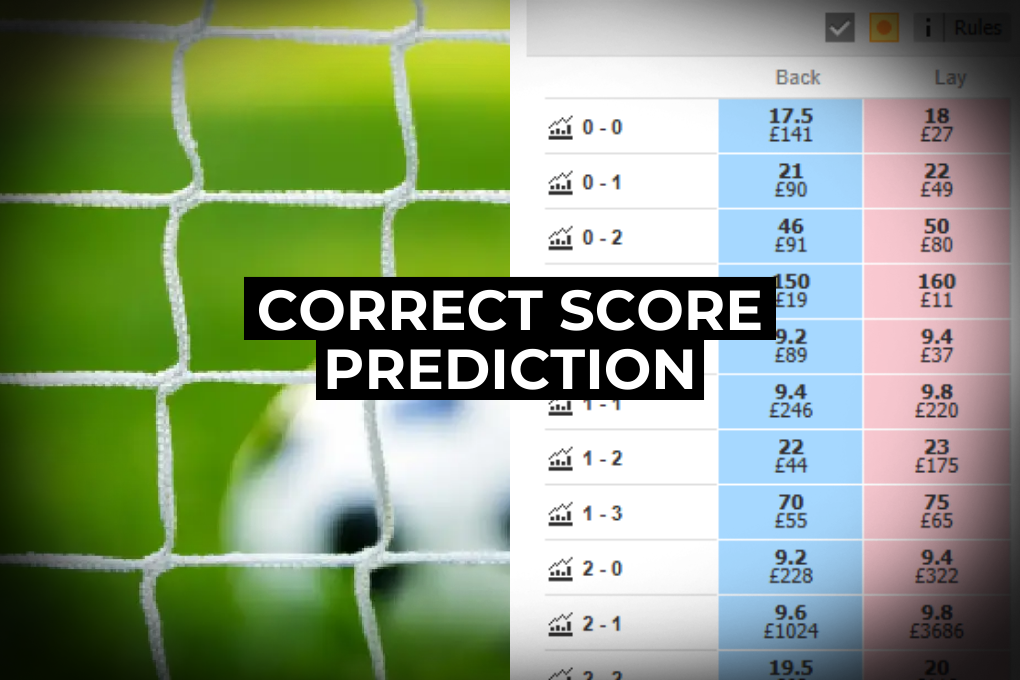
The buzz when you correctly predict a final score is something unique (especially when the odds are long). But how do you repeat it over and over?
These markets aren’t about hunches. They’re about a disciplined combination of data, statistical insight, precision and risk management.
So in this article we’ll explore how to approach the correct score prediction problem and how to transform guesswork into informed reality…
Understanding the Correct Score Market
At its core, a correct score bet is a wager on the exact final result of a match after 90 minutes. Unlike predicting a simple draw or win, you’re pinpointing the precise number of goals for each side.
This difficulty is reflected in the significantly higher odds than in simpler betting markets.
Before you consider a single statistic, grasp these fundamentals:
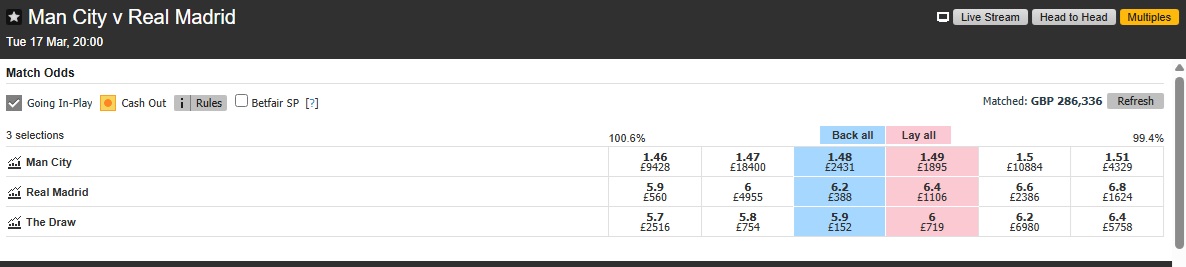
- The odds: They represent the bookmaker’s implied probability of an outcome. A 6/1 price suggests roughly a 14.3% chance. Learning to convert odds to probability is your first step in identifying value.
- The “Overround” is your hidden cost: Bookmakers build a profit margin into every market. In correct score betting, where dozens of outcomes are listed, the total implied probability of all scores can exceed 120%. This means the odds are shorter than the true likelihood. Beating this margin is the central challenge.
- Focus dictates success: The most common scores in football are low-scoring affairs. Chasing a 4-3 thriller at 100/1 is a recipe for long-term loss. Discipline means focusing on the realistic, such as 1-0, 1-1, and 2-1.
The Data-Driven Approach: Statistics Over Guesswork
Moving from casual fan to analytical bettor means letting data lead the way. This is about systematically assessing probability to find edges the market may have missed.
Here are the key analytical pillars to keep top of mind…
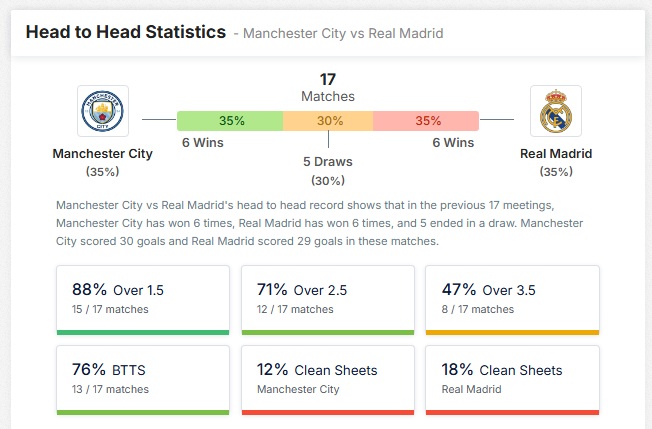
Historical Trends
Don’t just look at last week’s form. Analyse head-to-head records over several seasons. Find out if certain fixtures consistently produce goals or tense, low-scoring draws. Also, team style is crucial, since a pragmatic side is far more likely to grind out a 1-0 win than a free-scoring attacking unit.
Expected Goals
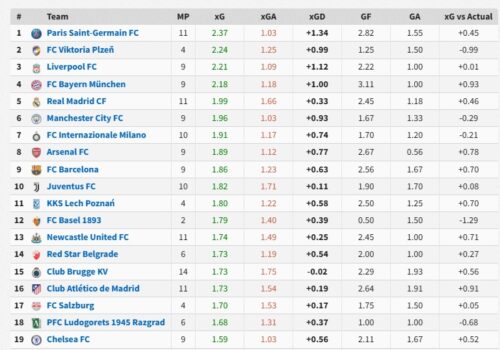
This advanced metric has moved from analyst screens to mainstream coverage for good reason. xG measures the quality of chances created and conceded, offering a more reliable picture of a team’s underlying performance than goals alone.
A team consistently outperforming its expected goals metric may be due a regression. For example, a solid defence conceding few high-quality chances is a strong candidate for a clean sheet.
The Poisson Model
Professional bettors commonly use this statistical distribution to model the probability of various scorelines. By estimating each team’s average attacking strength and defensive weakness, poisson distribution generates probabilities for outcomes like 1-0, 2-1, or 2-0.
While complex to calculate manually, understanding its principle (that goals in football follow a predictable pattern) encourages a probabilistic mindset over a speculative one.
The table below illustrates the gap between common odds and real-world frequency, highlighting why value is so elusive:
| Scoreline | Typical Fractional Odds | Implied Probability | Actual Frequency (Approx.) |
| 1–1 Draw | 5/1 – 7/1 | 13% – 17% | 11.0% – 11.7% |
| 1–0 Home Win | 6/1 – 8/1 | 11% – 14% | 10.0% – 10.5% |
| 2–1 Home Win | 7/1 – 10/1 | 9% – 13% | 8.0% – 8.5% |
Smart Risk Management by Protecting Your Bankroll
In correct score betting, where losing streaks are inevitable, how you manage your money is everything. A sophisticated strategy with poor staking is destined to fail. Here are some tips to help protect your bankroll:
- Define and isolate your bankroll: This is a dedicated sum of money you can afford to lose entirely without impacting your daily life. It is not your rent, grocery money, or savings. Once set, it is your betting capital, to be guarded fiercely.
- Use a unit staking system: Never bet a fixed pound amount. Instead, stake a small percentage of your total bankroll (typically 1% to 2%) on each wager. If your bankroll is £500, a 2% unit is £10. This controls risk, ensures you can weather losses, and removes emotion from stake sizing.
- Track everything religiously: Maintain a detailed log of every bet, including the date, match, score predicted, odds, stake, and result. This record is your most valuable tool for identifying what’s working, spotting emotional betting patterns, and holding yourself accountable.
- Never chase losses: The temptation to recoup a loss with a larger, riskier bet is the fastest route to a depleted bankroll. Accept that losses are part of the game. Stick to your unit size, trust your process, and view betting as a marathon, not a sprint.
Responsible Gambling
All the data and discipline in the world are meaningless without a commitment to gambling responsibly. For the UK bettor, this means using the tools and support designed to keep the activity safe and under control.
Set hard limits by using the deposit, loss, and time-out limits offered by every UK-licensed bookmaker. These are your first line of defence.
Then, utilise free tools like GamStop (the national self-exclusion scheme), Gamban (blocking software), and the resources provided by GamCare. They offer practical ways to manage your behaviour.
Finally, seek help early if gambling is causing financial or emotional stress. The National Gambling Helpline (0808 8020 133), run by GamCare, provides free, confidential support 24/7.
The Final Whistle
Mastering correct score predictions is less about understanding if both teams are to score and more about adopting a methodical, patient mindset. It combines the analytical rigour of interpreting data with the personal discipline of strict bankroll management. You’ll also need an unwavering commitment to gambling responsibly.
Remember, the most intelligent move any UK punter can make is to place their wellbeing first. Always set limits, use the available tools, and seek support from resources like GamCare if needed. Play smart, stay in control, and let the strategy guide the chase.