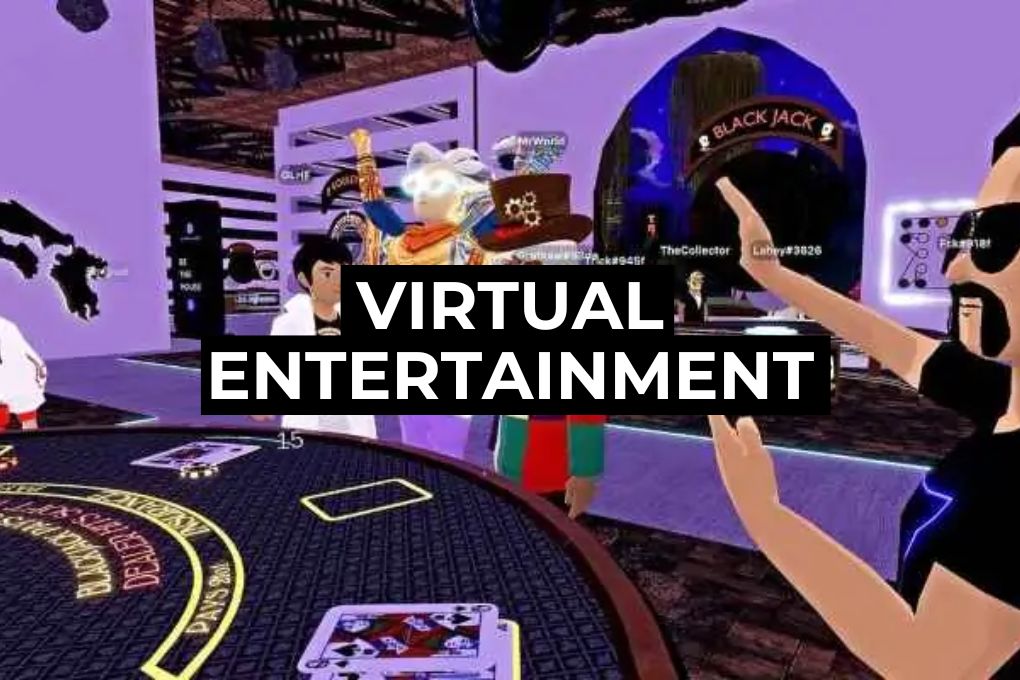
The metaverse is opening new opportunities, as by 2025, entertainment-related activities like concerts and influencer interactions will be done virtually. Advancements in the field of entertainment include metaverse-based events and AI-led influencers. Celebrities can now be part of our daily routines because video games, interactions, and events that require physical presence are being redefined through virtual technology. This post aims to elaborate on how virtual platforms are revising fun along with creativity and showcasing tremendous growth prospects for the year 2025.
The Evolution of Digital Entertainment Over the Past Decade
We saw how technology brought positive changes to entertainment over a single decade. There is a huge difference between using cable television and streaming services. During this period, user custom content and user interactivity reached new peaks as users were able to subscribe and join communities linked to their hobbies. During the foundational years of membership-based primary stream services in the 2010s, immersion, along with increasing virtual-ness, was put into use during the 2020s.
From Passive Streaming to Interactive Experiences
These days, all brands such as Netflix or YouTube, among others, have made enjoying entertainment far easier with subscriptions, which have revolutionized access through streaming platforms. People connected to the internet can enjoy binge-watching as well as listen to playlists containing vlogs coming from their favorite channels. Although there used to be an amazing catch-up period for vlogs and shows, during summertime, more than enough prerecorded material was offered alongside streams of real-time entertainment throughout the year without interaction.
Twitch, alongside TikTok, has always been popular because it keeps its users engaged via livestreams. Gamers can now fully engage and participate alongside their teams with preambles or post-stream discussions. Enthusiasts of eSports events were ecstatic about the unrestrained conversations during competitive sessions courtesy of streamers. Compelling contests and short clips greatly contributed to TikTok’s swift rise in fame. Players also began receiving more than just access to a game. In addition to Fortnite and Roblox, Among Us provided new methods for social interaction, transforming gameplay into collaborative battlegrounds interspersed with intense skill battles.
The Pandemic Acceleration Effect
Trends, services, and digital technologies were all before the COVID-19 pandemic struck. Physical distancing rules that were meant to mitigate the spread of the virus led to lockdowns, which further limited movement and engagement outside the home. Everything slowed down tremendously as cinemas, along with concerts, ceased operations entirely due to the enforced restrictions. That suddenly catapulted them toward increasing reliance on online platforms for engaging activities and entertainment avenues beyond their environments, like virtual gatherings.
For these reasons, websites like Zoom evolved to host live events like concerts, plays, trivia games, and even birthday parties. Many singers and other artists begin livestreaming their performances on platforms such as Instagram or YouTube. People can now share digital watch parties with their relatives and friends. They are able to talk during the stream while seeing each other’s faces in real time. Everything from classrooms to office meetings has switched over to this new technology, powered by the internet, which has automated many everyday activities, starting with new facets of life traditionally done offline.
Key Drivers of Virtual Entertainment in 2025
The rise we see in virtual entertainment in 2025 did not happen overnight; many changes have been made over time that have gradually worked towards creating a seamless blend between technology and human experience, building an interactive interface, and changing the digital world. Let us delve deeper into these greatly transformative elements that cause change.
Advancements in Streaming Technology
The most impactful drivers of entertainment today are the evolution of technology that aids with streaming. By 2025, streaming technology will have reached new heights with enhanced speed, clarity, and seamless interaction, all made possible through universal high-speed internet access, edge computing, as well as 5G networks. Latency issues are a thing of the past with real-time engagement now possible on multiple platforms such as live Q&A sessions, online gaming, or even metaverse concerts.
The adoption of mobile-first design allows users unmatched, inherent access to premier virtual experiences literally at their fingertips during any moment throughout their day. Optimized performance for mobile devices has resulted in tremendous advancements for virtual on-the-go entertainment, including live concerts and sports streams, as well as other interactive programs. Most advanced smartphones paired with dependable internet connections can now effortlessly deliver high-definition information using state-of-the-art mobile tech.
The Rise of Immersive Content
Focusing on immersion continues to grow in importance rather than focusing solely on the content technology used to experience it. Purchasing tickets promises not only audio-visual entertainment but participation. The wide-ranging offering of VR (Virtual Reality), AR (Augmented Reality) systems, mixed with 360-degree videos alongside global positioning systems, has been incorporated successfully into mainstream entertainment.
As social interaction, gaming, and digital performance activities, Meta’s Horizon Worlds keeps growing as a virtual space. For users who want to work out while enjoying fantastical landscapes, VR fitness apps are turning workouts into interactive adventures. As for immersive learning apps that contain virtual field trips or science simulations with lessons that are gamified, they capture the user’s attention far more than any other media would.
Consumer Demand for Personalisation and Control
Entertainment has taken a new turn nowadays, where the audience uses entertainment that is meant for them due to AI algorithms enabling hyper-personalized methods of access, unlike before. During 2025, content on platforms will be accessible based on one’s mood and actions.
Through dynamic narration services provided by various streaming services, corners can be created like user-specific arcs, which can generate character shifts, making entertainment interactive to boost their immersion through granting rewards within quests, such as badges.
Major Virtual Entertainment Trends to Watch
As we look forward to 2025, we expect virtual entertainment to have matured. With the forefront of this sector’s continued evolution comes expansive layers of digital gamified brand interactions through live concerts within the endless metaverse.
Virtual Concerts, Events, and Festivals
Digital expansions have greatly advanced with a variety of new offerings like direct enjoyment, Twitch streaming platforms sprawling, multifaceted gaming realms such as Fortnite or Roblox for all genre artists, rewarding viewership stature worldwide, gaining interaction and participation. To pay back these passionate explorers who attend these symbolic stages around every globe radius, more engagements can be captured upon deriving reciprocal viewpoints or voracious recompletion instead of mundane minimal expressionism.
Gamified Entertainment Experiences
Gamification has transformed from merely a buzzword into an actual practice strategy. By 2025, platforms will have increased merging entertainment with active engagement to sustain user involvement. Mobile gaming apps capture attention most effectively these days. Other non-gaming applications, however, continue to adopt game-like features in order to increase user engagement and retention.
Starbucks’ app enables users to earn stars by meeting certain challenges, which gamifies the loyalty system altogether. Also, Duolingo applies the same concept using animated characters for learning using streaks and rewards. Furthermore, Peloton blends fitness with digital entertainment by transforming workouts into competitive races and community events. These experiences harness games’ dopamine-driven attraction while providing multi-dimensional value across lifestyle categories.
The Growth of Live Casino Games as Interactive Virtual Entertainment
Players in early 2025 are pushing the envelope of excitement by asking for more realism in every pixel they see. In that charged atmosphere, live-dealer games have rocketed to the forefront, offering a brand of virtual fun that feels almost tangible.
What Sets Live Casino Games Apart
Pop onto any major gaming site today and you’ll likely be offered a console app that pipes live blackjack or roulette straight to your big-screen TV. The action is hosted by an actual dealer sitting in a polished studio, so placing a bet is just a button click away; no train ride to Vegas required.
These sessions carry a different tempo than spinning a random-number generator. The card dealer chats, the wheel spins, and the whole thing has the casual drama of a Friday-night poker room. Toss in crystal-clear cameras, steady lighting, and a chat pane full of friendly banter, and you have a minor casino on your coffee table.
Why UK Users Are Flocking to Live Dealer Platforms
Ask casual punters, and plenty shrug at random pop-ups, yet live dealer portals’ buttons have no distracting ads that keep pulling them back. Each onscreen table, flashed in pixel-perfect clarity, hints at being just a swipe away from the pub poker circle they left last week. The touchscreen lobbies soften convention casinos’ sharp edges; the dealers smile in real time, optical glitches still feel years ahead of basic RNG fare.
Some players still credit valve-fogged VR headsets with tomorrow’s magic, but the bulk of the traffic settles on pin-sharp cameras that burn realism straight into the smartphone glass. Reality-blending buzzwords fade fast when a roulette wheel spins and no headset wires jam your lap.
Where to Explore the Experience
A few taps pull high-definition video straight into an earbuds-first commute, and the fade-in of an actual dealer feels less like lag and more like the local casino just inserted itself into your pocket. If the goal is getting excitement without leaving home, 7Bet’s live casino games provide chats, side bets, and all the small talk that makes digital space hum.
How Virtual Entertainment Is Reshaping Consumer Behaviour
Consumers, bored with side hustles, now funnel their cash into hangouts that feel more social than solitary. The digital scene has quietly become a utility, almost like electricity for fun and connection.
The New “Third Place” Digital Hangouts
When in-person corners the library, a sleepy park bench, then fresh platforms step right up. Twitch chats and Discord servers let folks drop by for five minutes or stay all night without the hassle of shoes or a bus ticket. Commands glide in the background while laughter fills the foreground.
Increased Willingness to Spend on Virtual Goods
Money that once idled under a mattress now lights up avatars with shiny Fortnite skins, nifty NFT banners, or an after-hours Zoom pass. Live-casino chips even count here, behaving like backstage passes in a glittery online world. The purchase tag disappears once status, distraction, and community rush in.
Final Thoughts: What the Future of Entertainment Could Look Like
AI technologies are almost universally present, which guarantees customisation and means that story arcs will expand beyond user-tailored content suggestion engines. Other more blockchain and decentralized platforms foster new paradigms within community-centric frameworks that counter traditional media silos by allowing users electronically owned data-driven systems. In summary, users will increasingly move from a passive to active participatory role not just through consumption, but through designing, personalizing, and co-creating engagement.