
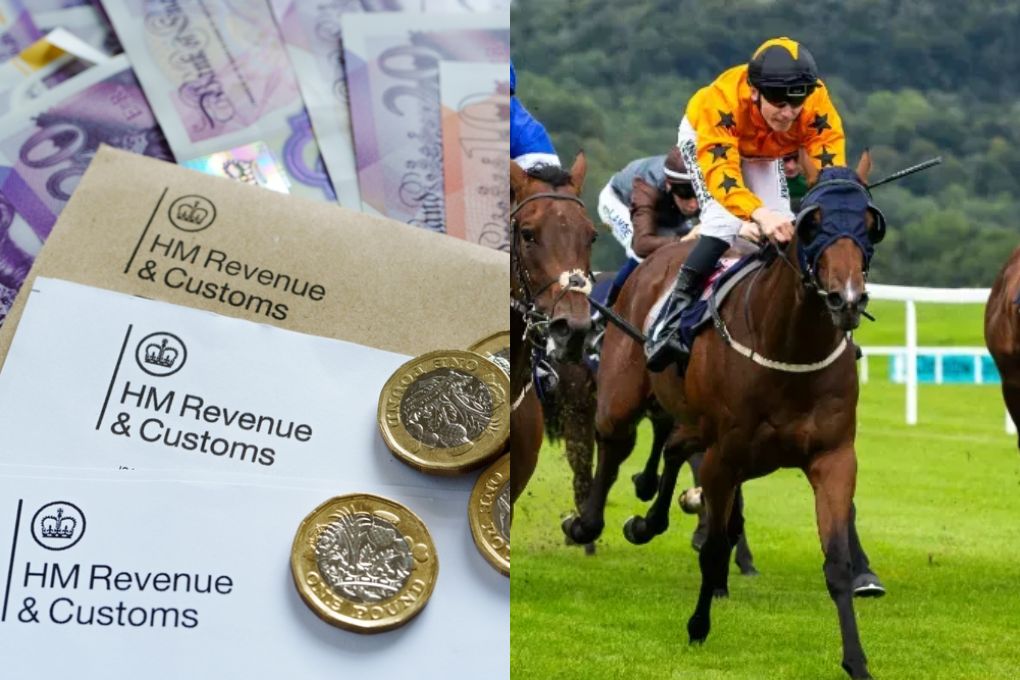
One minute we’re worrying about stake restrictions, the next we’re reading about strikes on the racecourse…
The talk of harmonising gambling taxes has whipped up a storm in horse racing, and for good reason.
This isn’t just about spreadsheets at HMRC; it touches racing’s prize money, jobs and, ultimately, the markets we bet and trade every day.
Here’s what you need to know…
Higher Costs, Thinner Margins
Right now, betting on racing is taxed at 15% of a bookmaker’s gross profits, plus a 10% levy that goes back into the sport.
By contrast, casino‑style games and slots pay 21%. The Treasury’s recent consultation proposes aligning these rates, effectively raising the betting duty to match gaming. Racing chiefs believe this move will make betting on horses less attractive for operators, who already operate on thin margins, and could trigger a loss of around £40 million a year if the rate rises to 21% (or £90 million if it jumps to 30%).
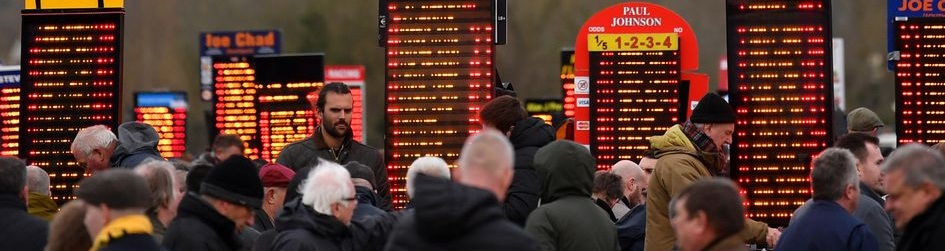
Think about what that means: less prize money, fewer sponsorship deals and a reduced media rights pot.
The British Horseracing Authority warns that harmonisation could cost the sport tens of millions and push punters towards illegal bookmakers. When operators can make more money pushing slots than racing bets, where do you think they’ll invest their marketing budget?
From a trader’s perspective, thinner betting margins often translate into poorer prices.
The bookies pass costs on to punters by shortening odds. On Betfair, the exchange remains competitive, but if the base price shifts, you’ll notice the market sits a tick or two higher. If your trading strategy relies on backing at 4.0 and laying at 3.9, those extra ticks matter!
Be ready to adjust entry points and hedge sooner…
Betting Levy Shake-up:
Unlike other sports, racing has a dedicated funding stream. Since the 1960s, bookmakers have paid a statutory Levy (currently 10% of their profits on racing bets) which channels money back into prize funds, grassroots development and welfare. However, the proposed tax changes could upset that balance…
The Social Market Foundation argues that racing bets already face an effective 25% charge when you combine betting duty and the Levy. They suggest flipping the rates: reduce duty to 5% on racing bets and increase the Levy to 20%, making sure more money goes directly to the sport.
It sounds nice, doesn’t it? In reality, though, it’s extremely unlikely.
Bookies support the entire industry financially. Peanalising their more profitable revenue sources and sending money to a less-popular product isn’t a good or sustainable business. Indirectly, horse racing is already dependent on alternative betting mediums like slots.
The BHA estimates the racing industry contributes £4.1 billion to the UK economy and supports around 85,000 jobs. The implications here are huge.
As traders, we often ignore the Levy, because it’s baked into commission. Yet any change made here will undoubtedly ripple through the entire industry. Already, betting firms like Betfred are threatening to close 1,300 shops.
…a disastrous result for racing, given that 40% of recreational racing bets are placed in-shop.
Shifting Incentives For Black Markets…
Betting executives have warned that harmonising taxes could push bettors to unregulated sites. The Netherlands and Austria saw tax hikes backfire as punters flocked to offshore betting sites. On the exchange, that means some liquidity disappears into dark corners where it can’t be matched.
A common mistake is to assume higher taxes only hurt operators; in practice, punters lose promotions, cashback deals and even races to bet on.

In August, the sport staged a one‑day strike by cancelling all meetings at Kempton, Uttoxeter, Lingfield and Carlisle, costing around £700,000. They wanted to draw attention to the threat that harmonisation poses. When you see such drastic action, it tells you the stakes are high. Although in truth; the wider public barely noticed. Gambling in general, is deemed to be a poor choice so there is little public sympathy for the industry.
It’s hard to blame them, right? I mean, most sportsbooks only allow players to lose now.
How Should Gamblers React?
So what should you do?
If the government opts for a higher duty without increasing the Levy, expect smaller fields and maybe a trimmed racing calendar. Less racing means less volume, but also more focus on marquee events where liquidity is deepest. You might need to pivot from low‑grade weekday handicaps to higher‑quality races as a result.
Second, anticipate bigger spreads. Bookmakers widening their overrounds creates opportunities on the exchange. During the last duty hike, I regularly laid favourites a couple of ticks lower than bookie prices, scalping the difference. Those windows can close fast, so execution speed matters.
Third, don’t assume offers will last. Enhanced place terms and extra each‑way concessions rely on slim margins. If taxes rise, expect them to be cut. Adapt by being selective: take advantage when they appear, but don’t build a strategy around them. If you’re matched betting, this is particularly important.
Finally, remember that change often brings new traders into the pool. If bookmakers focus on casino products, racing punters might look for alternatives. When novices flood Betfair, markets can overreact to non-events much like a horse sweating in the parade ring or a jockey glancing at the big screen. Stay calm, stick to your plan, and you’ll profit from others’ impatience.
An Industry Shift…
Whether you’re a weekend punter or a full‑time Betfair trader, gambling tax changes matter. Raising duty on sports betting without protecting racing risks hollowing out Britain’s second‑biggest spectator sport. The outcome isn’t set, but one thing’s certain: the markets will react long before the taxman knocks.
Our job is to read those reactions, stay adaptable and continue finding edges. If there’s one lesson from years of trading, it’s that opportunities arise whenever the status quo is shaken.
Don’t waste time grumbling about politicians; focus on the price action in front of you…