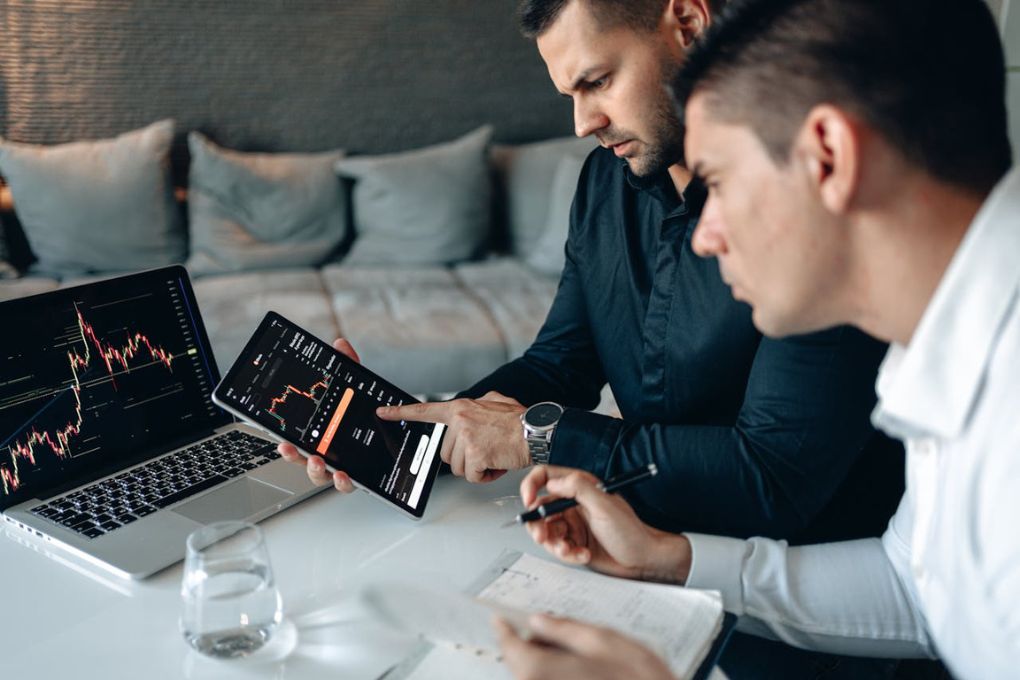
Suspended markets are part of trading life, especially during in-play events. Whether it’s a goal in football, a fall in horse racing, or a medical timeout in tennis, markets will often lock up. For newer traders, this can feel like a roadblock, but understanding why suspensions happen and how to react can turn frustrating pauses into opportunities. Not every freeze is created equal. Some signal price corrections. Others are simply delays from the data feed or operator hedging. Either way, how you handle the reopening matters more than the pause itself.
Recognising Where Suspensions Start
Not all suspensions are caused by the same triggers. In football, a red card, VAR decision, or penalty call can freeze the market. Sometimes the suspension comes before you see anything on screen. That’s because most in-play betting relies on live data feeds rather than TV footage, which usually lags behind by up to 10 seconds or more.
Traders familiar with these patterns learn to sense when a freeze might happen. For example, if a favourite suddenly becomes unbackable or the lay side empties right before a corner is taken, something is often up. The freeze is often a response to information you don’t yet have, something sharp money or faster feeds have already processed.
Early Market Adjustments on Newer Platforms
These freezes and market holds aren’t exclusive to one exchange or operator. In fact, they can behave quite differently depending on where you’re trading. Some new, reliable UK betting sites have started offering their own in-play models with aggressive pricing and early suspensions. This has opened up pockets of opportunity, especially in lower leagues and niche events. When their systems detect possible game events through data providers, they may suspend markets more quickly than traditional exchanges.
That speed can work both ways. On one hand, it helps protect the operator from being caught off guard. On the other, it creates a reaction window where informed traders can anticipate price moves and place queued bets to catch the swing when the market reopens.
What Happens When the Market Reopens
How a market reopens after a suspension gives you a lot of information. The spread may widen, prices might spike, or in some cases, the volume may disappear entirely. This reaction gives you your entry.
Take tennis, for example. If a player is 1.80 before the medical timeout, and the market suspends, then reopens at 2.10, that’s your signal. Something has changed. Maybe it’s visible, like a taped thigh, a limp, or poor body language. Or maybe the shift is based on insider knowledge or sharp trader reactions.
This moment is not the time to panic. It’s time to watch how long the new price holds. If it snaps back toward the original price, you may have an opportunity to scalp. If it stays or drifts further, you’ve likely missed some vital info and should avoid chasing.
Knowing the Difference Between Natural and Artificial Delays
There’s also a difference between natural market suspensions (caused by real-world events) and artificial ones (imposed by the operator due to latency, trading protection, or hedging). Some in-play platforms build in a delay after every point or action. In football, you might see 5- or 8-second betting delays before a wager is placed.
These aren’t true suspensions, but they change how you trade. Your price may shift before your order hits the market. Understanding the rhythm of this delay, how long it is and when it starts, is essential for pre-emptive trades or queue jumping.
In some cases, operators will even delay a market reopening longer than necessary, especially in volatile games. This is usually a defensive tactic, used to avoid exposure before all data is confirmed. Traders who know this may look to related markets (e.g., correct score, next team to score) for clues about what’s coming.
Suspensions as Sentiment Indicators
An unexpected market freeze can sometimes reflect sheer confusion rather than clarity. For example, when two players collide and both stay down in a football match, the market may suspend without a clear direction. Once it reopens, the price action will reveal how others are interpreting the situation.
If there’s strong volume on one side of the market, even in the absence of clear team news or replays, that’s usually the signal to pay attention. Suspensions that reopen into heavily one-sided action often show you where the real money is going. Follow that flow, not your gut.
Queue Management During a Freeze
While a market is suspended, traders often queue their bets in anticipation of the reopening. This is risky, but it can be effective. For example, if you believe the market overreacted to an injury and will snap back, you might place a lay bet at the shorter price, hoping to catch the bounce.
However, you’re competing with others who had the same idea. Bet queues build up fast. If you’re too slow or misjudge the price, your unmatched bet could get stuck, or worse, matched at a terrible value. You need to read the depth of the market and anticipate where the queue will be, not just where you want it to be.
Tools that show the weight of money and unmatched amounts help, but timing still matters more. If you’re not confident, wait. Often, the best trades come not at the first tick after reopening but in the movement that follows.
Avoiding the Trap of Overreaction
Not every freeze is a signal to trade. In fact, newer traders often overreact to market suspensions, assuming that a major event has occurred. Sometimes it has. Sometimes it hasn’t.
The market is prone to jumpiness, especially in games with low liquidity or limited public attention. If the market reopens at a new price without clear justification, it may be a false move, caused by someone testing depth or pulling their unmatched orders. Reacting to every move is a fast way to burn your bank.
Patience is key. Watch how long the new price holds, how much is matched at the new level, and whether the move spreads to related markets. If the correct score and match odds markets both shift in the same direction, the move likely has legs. If not, it’s worth waiting.
Learning from Historical Reactions
Finally, building experience with market suspensions comes from watching them happen again and again. Backtesting is harder in live betting, but memory counts. Knowing how the market reacted the last five times a favourite went down injured in the first half is valuable.
Keep records. Screenshots. Notes on matched volume. Replay footage where possible. You won’t spot every trade in real time, but you’ll build instinct for the next one. Some of the best traders have mental libraries of how markets behave in freeze and post-freeze situations. It’s not about predicting the next event. It’s about recognising the reaction when it comes.
Related: The Biggest Cheltenham Festival Races (By Prize Money And Prestige)