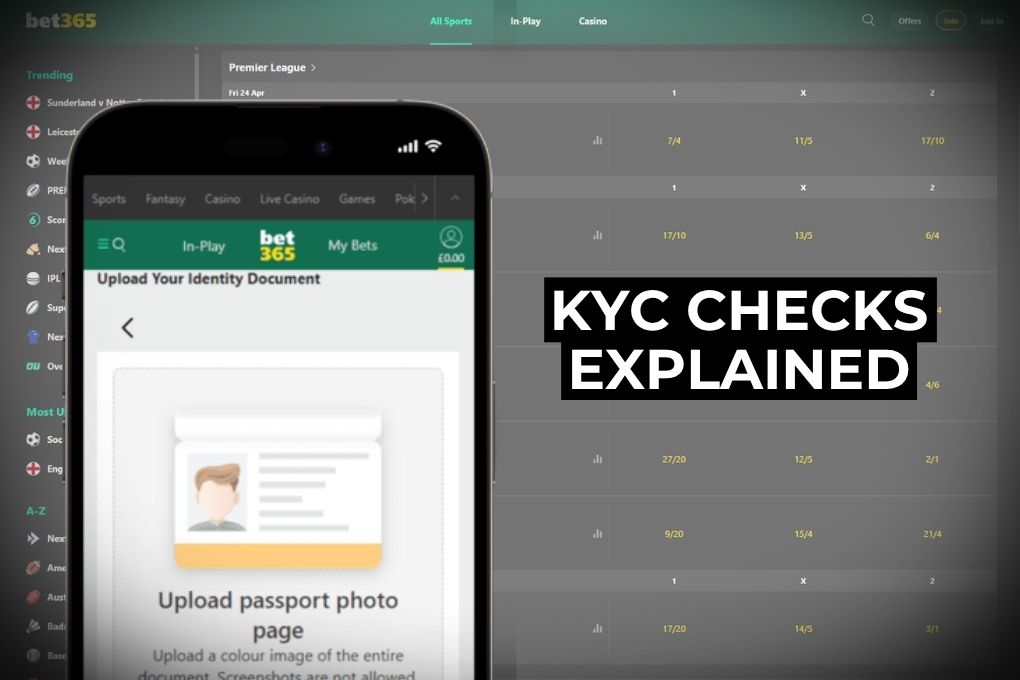
If a bookmaker or casino has asked you for documents, you may have encountered a KYC check.
KYC gambling checks (Know Your Customer checks) are identity checks that betting sites use to verify customers, prevent fraud, and meet anti-money laundering rules.
In this article, I’ll explain what gambling KYC checks are, when they’re triggered, what can be requested and how they differ from affordability checks.
Recently, I’ve noticed a lot of people confusing routine KYC with affordability – they are not the same thing.
Quick answers:
- What is a KYC check in gambling? A customer verification check used to confirm identity and comply with regulations.
- When are KYC checks triggered? Often during registration, withdrawals, unusual activity, or enhanced source-of-funds reviews.
- What documents may be requested? Photo ID, proof of address, and sometimes source-of-funds evidence.
- Can you refuse a KYC check? Yes, but withdrawals may be delayed or your account may be restricted.
- Are KYC and affordability checks the same? No, they are related but different checks.
What Is KYC in Gambling?
KYC stands for Know Your Customer. In gambling, it refers to checks operators use to verify who you are and, in some cases, where funds come from.
These checks are generally designed to support:
- Identity verification
- Age verification
- Fraud prevention
- Anti-money laundering (AML) compliance
- Responsible gambling obligations
In practice, many customers first encounter KYC when trying to withdraw funds or when an operator requests additional verification unexpectedly. This could be why a bookmaker has asked for your bank statements.
Over the last few years, KYC checks have become standard in gambling, similar to other regulated financial services.
When Do Gambling Sites Trigger KYC Checks?
Many people assume KYC only happens after winning, but gambling verification can be triggered at several stages.
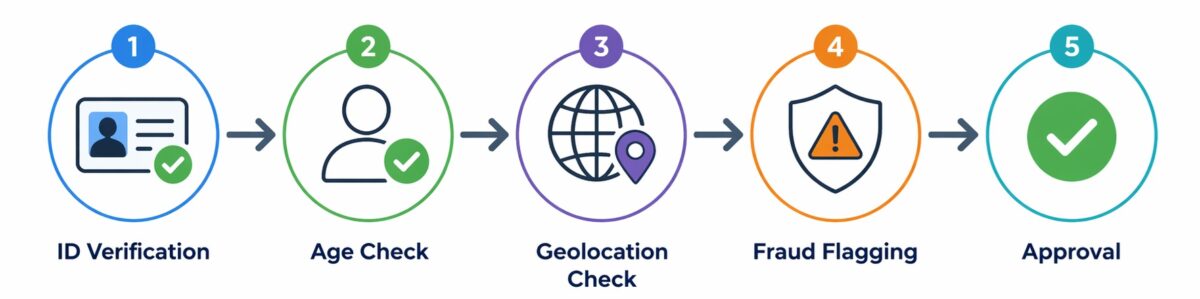
Common triggers include:
1. Account Registration
Some operators verify identity at sign-up, sometimes called “early verification.”
2. Before Withdrawals
It is common for operators to request documents before processing a withdrawal, particularly for first withdrawals.
3. Larger Deposits or Unusual Activity
Higher-value activity or unusual betting patterns can sometimes lead to enhanced checks.
4. Source of Funds Reviews
In some cases, operators may request evidence showing where gambling funds originate.
5. Periodic Compliance Reviews
Some accounts are reviewed periodically, even without withdrawals or obvious triggers. Exactly when KYC checks appear varies by operator, jurisdiction and customer profile. I’ve spoken about it before and there’s been much debate, although it would appear they happen frequently after a big win.
What Documents Can Bookmakers Ask For?
Properly regulated bookmakers may ask for documents such as:
- Passport or driving licence
- Utility bill or bank statement for proof of address
- Payment method verification
- Source-of-funds evidence in some cases
Source-of-funds reviews are often confused with standard KYC, but they can be a separate, enhanced layer of compliance.
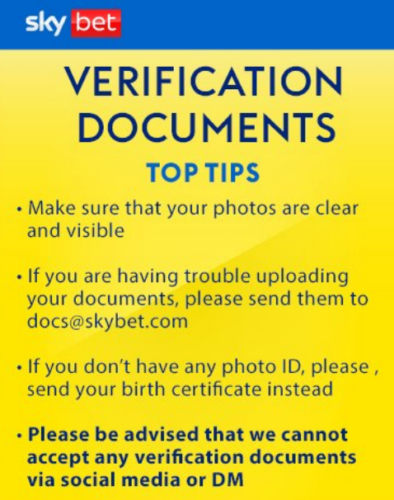
I’ve found that taking some clear pictures of these documents in good light avoids repeat requests and problems.
KYC Checks vs Affordability Checks (What’s the Difference?)
This is where many gamblers get confused. KYC checks generally focus on verifying identity and meeting regulatory obligations.
Affordability checks are broader and may be designed to assess whether gambling activity appears financially sustainable.
They can overlap, but they are not the same thing.
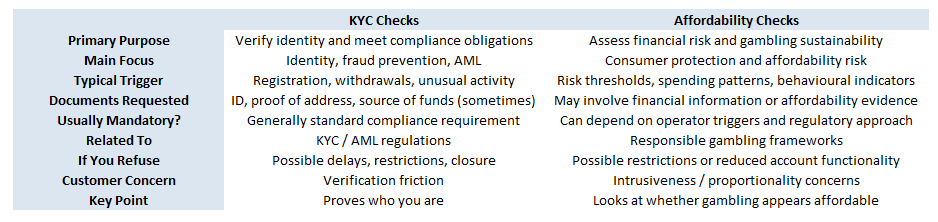
In short, KYC checks verify identity, while affordability checks assess financial risk.
Many searches around “gambling KYC” are actually about affordability concerns, which is why distinguishing the two matters. Check out the image above for some finer detail.
What Happens If You Refuse a Gambling KYC Check?
You can refuse to provide documents. However, in reality, that may lead to other consequences.
The worst ones being:
- Withdrawals being paused
- Account restrictions
- Limits on deposits or betting
- Potential account closure
Much depends on the operator and why the verification was requested, but the biggest bookmakers will restrict betting accounts instead of closing an account if they can. If you are uncomfortable sharing documents, the practical reality is you may have to decide whether continuing with that operator makes sense for you or not.
Common Problems With Gambling KYC Checks (And How to Resolve Them)
Many complaints about KYC checks are less about the checks themselves and more about delays or confusion during the process.
Documents Keep Being Rejected
Check for expired ID, address mismatches, cropped images or unsupported document formats.
Withdrawals Are Delayed
Delays are often linked to incomplete verification. Submitting requested documents promptly usually helps.
Repeated Verification Requests
Some customers encounter repeat checks over time due to periodic compliance reviews. If your betting account has been betting at positive expected value, you may find that they ask for more and more documents.
Source of Funds Requests Feel Excessive:
These can be more intrusive than standard KYC. Understanding whether it is a standard KYC request or an enhanced review can help clarify expectations.
In many cases, contacting support and asking specifically what requirement is outstanding can speed up resolution.
Your Rights During Gambling KYC Checks
While operators may request verification, it’s worth understanding your individual consumer rights regarding data.
If you ask, they tell you certain things…
- To understand what documents are being requested
- To ask why additional checks are required
- To expect personal data handled under privacy rules
- To raise complaints where treatment seems unreasonable
If a dispute arises, regulated operators also have formal complaint procedures with third-party dispute resolution providers (it’s part of their licensing condition).
While KYC itself is standard, debates often arise over proportionality when enhanced checks become intrusive or block withdrawals.
FAQ: Gambling KYC Checks
Can bookmakers ask for bank statements?
In some circumstances, yes — particularly during enhanced source-of-funds reviews.
Can you withdraw without passing KYC?
Usually, withdrawals can be delayed or blocked until required verification is completed.
Is KYC legally required for gambling sites?
In many regulated markets, operators have customer verification obligations. Checking lists of accepted countries is wise before you start.
Are KYC and AML checks the same?
Not exactly. KYC often forms part of broader AML compliance.
Do all betting sites use KYC checks?
Most regulated operators do, though processes vary.
Final Thoughts
Gambling KYC checks can be frustrating, but understanding what they are (and what they are not) makes them easier to navigate.
In simple terms, KYC checks are usually about identity, compliance and risk controls. Knowing when they are triggered, what documents may be requested, and how they differ from affordability checks can help avoid confusion when they arise.
Most gamblers don’t object to reasonable verification checks. The confusion usually starts when standard KYC blurs into broader affordability-style reviews.