
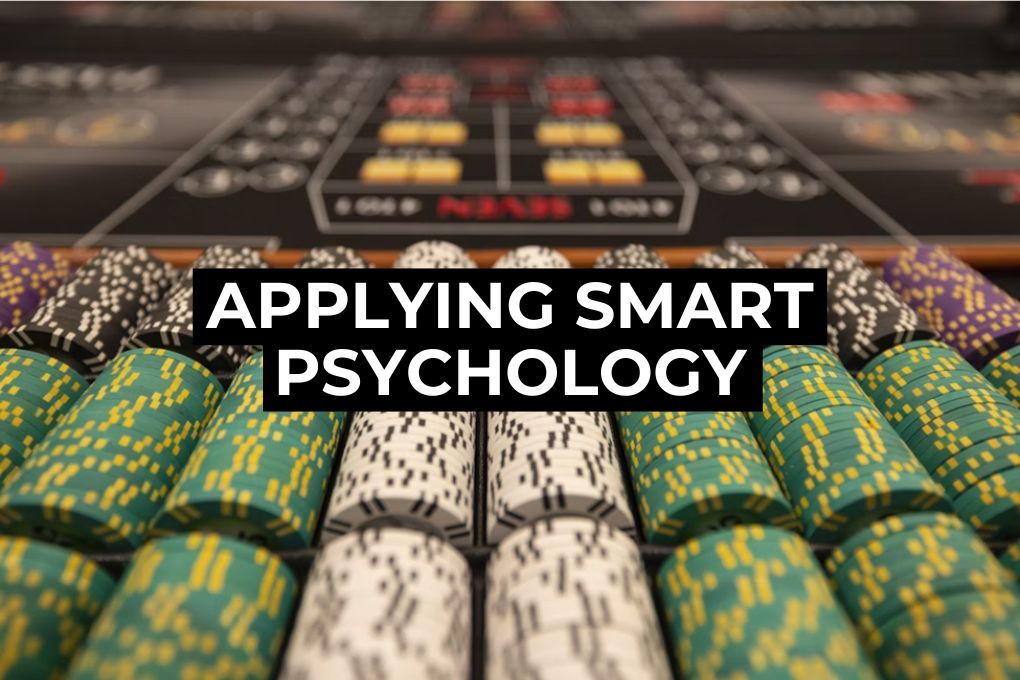
Ever wonder why some casino players win more than others? It’s more than just chance. The real difference comes down to mindset. Professional traders on platforms like Betfair understand this well. When operating in unstable markets, emotions can quickly destroy even the strongest plans. Now, consider taking those trading ideas and using them in live dealer games like blackjack, baccarat, or poker. The secret is to stay calm under pressure, find chances as they come up, and know when to quit. For Australian players, this mental benefit works well with real advantages, like fast withdrawal options for AU players, letting you secure your gains swiftly from trusted sites and keep the focus on smart plays rather than waiting on payouts. In this piece, we’ll break down how trading psychology can sharpen your edge at the tables, turning random bets into calculated moves.
The Basics of Trading Psychology
Most people don’t get how vital trading psychology is. Successful traders stand out because they control their emotions, stick with their plans, and change tactics as needed. Trading means winning and losing, and it’s easy to get greedy when you’re winning. That’s when you need to be careful.
This also goes for live dealer games. Imagine you’re playing blackjack online and losing. If you can’t control your feelings, you might make poor choices, like doubling down at the wrong moment. Experienced traders manage risk by setting trading limits, a practice applicable to gaming as well. Before starting, decide on a budget and stick to it. This helps maintain a positive gaming experience and reduces the chance of financial loss.
Managing Tilt: Don’t Let Emotions Derail You
Tilt hurts traders when losses impair clear thinking, causing rash actions like pursuing false rebounds. This also occurs in casino games as chasing losses, turning small setbacks into larger issues.
Traders combat tilt by pausing trading, perhaps logging off after multiple losses, or reviewing records to find trends. Similarly, in poker, taking breaks can prove useful. Experts advise methods like deep breathing and visualizing cards as market trends to detach emotions. One trader uses a tilt timer—a five-minute break after three losses. Adapt this to maintain resources until conditions shift.
Tilt thrives on fatigue. Avoid playing late when mentally tired, and ensure to play when alert to transform inconsistent results into steady gains.
Reading Momentum: Spotting the Flow in Card Games
Savvy traders spot market trends with rapid price changes. They intend to profit from these short-term trends. Live dealer games can have streaks, like repeated banker wins in baccarat. Don’t assume these streaks will end quickly.
Traders measure momentum with tools. In games, watch for patterns by taking notes. In blackjack, bet more if the deck seems good, based on probability, not feelings. In poker, watch the betting habits to understand the table.
The trick is to increase your bets when momentum favors you, but always have a stopping point. React swiftly to changes by cutting losses fast, like a trader using a stop-loss. This enables continued participation and achieving gains through actual strengths, rather than hoping for the best.
Overcoming Biases: The Trader’s Edge in Decision-Making
Traders’ decisions are often clouded by mental biases. For example, confirmation bias causes them to focus on information that backs up their ideas. They might ignore risks in a poor trade because they felt sure at first. To fight this, smart traders look for other viewpoints and doubt their own thinking.
Before making big trades, think about why your prediction could be wrong to sidestep bias. Also, because losses sting more than gains feel good, people tend to stick with losing positions. Traders can use rules to get out of positions faster. Putting caps on losses helps sidestep emotional choices.
Building Discipline Through Routines
Successful trading relies on focused habits. These might include checking market conditions early, reviewing past trading sessions, and meditating each day. Consistency fosters discipline, helping you adapt to market changes. When playing live dealer games, like blackjack and poker, start by assessing the odds.
End each session by looking back at what went well, what didn’t, and how you felt, just like how a trader keeps records to find their weak points. Add physical habits like stretching to help you refocus between games. Habits offer stability, which helps you think before acting when you are playing.
Key Tips from Traders for Casino Success
To make these ideas stick, here’s a roundup of practical crossovers:
- Set Limits: Like traders who limit daily risks, decide how much you’re willing to win or lose each session. If you hit those numbers, stop playing.
- Keep a Record: Traders look back at what they did. Note your casino plays to find out what makes you tick and where your game falls apart.
- Scale Smartly: Like a trader who’s trying something new, begin with small bets. Be sure of yourself before you bet more.
- Diversify Sessions: Don’t just stick to one game. Play blackjack and baccarat. This keeps you from getting tired, just like a trader spreads out their investments.
- Stay Educated: Read about odds and ways to play better, like traders study the market. Knowing what’s what is better than just hoping for good luck.
Bankroll Management: Your Safety Net
Good bankroll management is key for traders and players. In trading, risk only 1-2% of your capital per trade to handle market swings. The same goes for casinos. Do not risk more than you can lose. Treat your funds like trading money in live dealer games. Split your bankroll and bet no more than 5% per hand.
This keeps losses small and builds staying power. If you’re losing in a game like baccarat, good management will help you avoid losing all of your money. This way, you can focus on playing instead of worrying about going broke.
Wrapping It Up: Trade Smart, Play Smarter
While mastering your emotions can make playing casino games more fun, it’s important to remember that it’s not a way to make a living. If you manage your feelings, notice trends, sidestep common mistakes, create good routines, and handle your bankroll wisely, you can play with a calm and thoughtful approach, just like a trader. Luck still matters, but a strong mindset can help you do better. Next time, try to think like a trader. Concentrate on ways to boost your odds.