
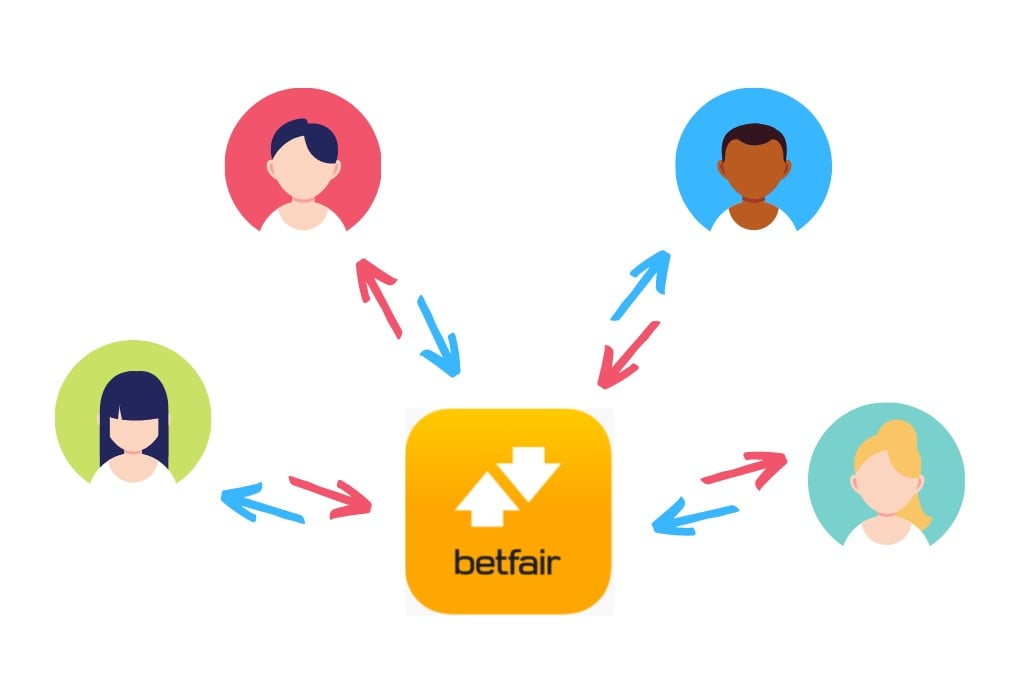
Betting exchanges are revolutionising the way people place bets. Unlike traditional bookmakers, exchanges allow you to bet against other users, offering better odds and more control.
For beginners, using a betting exchange can seem overwhelming, but it’s easier than you think! In this guide, we’ll explain what betting exchanges are, how they work, and why they’re a smarter choice for bettors.
Why Betting Exchanges Are Different from Bookmakers…
Before we get into how exchanges work, it’s important to understand how they differ from traditional bookmakers. Bookmakers set the prices, build in a profit margin, and may limit or restrict winning accounts. Betting exchanges flip this model completely by letting users bet against each other, creating fairer odds and more flexibility.
How a Betting Exchange Works (Step-by-Step)
- You choose a market (e.g. football match or horse race)
- You select back or lay depending on your prediction
- Your bet is matched with another user at the same odds
- The exchange takes commission from the winner (typically 2–5%)
What is a Betting Exchange?
A betting exchange is a platform where users bet directly against each other instead of a bookmaker. This unique system allows you to either back a selection (bet on something to happen) or lay a selection (bet on something not to happen). Exchanges like Betfair, Smarkets and Matchbook are popular platforms where users can enjoy competitive odds and more flexibility than traditional sportsbooks. If you’d like to compare the best betting exchange sites, we’ve put together a full breakdown.

Unlike bookmakers, who profit by setting odds in their favour, betting exchanges simply charge a small commission on your winnings. This means you’re effectively betting at “true odds,” as the prices are determined by market demand rather than house profit margins. This is why Betfair pricing is so accurate.
Back vs Lay Betting Explained (The Two Buttons You Must Understand)
Before placing your first bet on an exchange, it helps to understand the two core options: the blue back button and the pink lay button. These are what make exchanges unique compared to bookmakers. They’re also what confuses new users – but don’t worry, we’ll cover that now…
How Does a Betting Exchange Work? Deeper Explanation
The mechanics of a betting exchange are different from a traditional bookmaker. On an exchange, you’ll see two main options:
- Back Bets: This is similar to placing a bet with a bookmaker. You choose a selection (e.g., a team to win) and place a wager at the offered odds.
- Lay Bets: This allows you to act as the bookmaker, betting against a selection. For example, if you think a horse won’t win, you can offer odds for others to bet on it.
Lay Betting Liability Formula:
Liability = (Odds – 1) × Stake
Example: Lay £10 at odds of 2.5 → (2.5 – 1) × 10 = £15 liability
Note: see this full lay betting explanation for a deeper breakdown.
Here’s an example:
Imagine you’re betting on a football match where Team A is offered at odds of 2.5 to win.
- If you place a back bet, you’re betting that Team A will win. A £10 bet at 2.5 odds would return £25 if Team A wins.
- If you place a lay bet, you’re betting that Team A will not win. If another user accepts your lay bet for £10 at 2.5 odds, you’ll profit £10 if Team A loses or draws, but you’ll need to pay out £25 if Team A wins.
This dual functionality is what makes betting exchanges unique, offering more opportunities for bettors to trade and hedge their bets.
Here’s a short video to help explain that…
Understanding Decimal Odds and Tiny Price Movements
Odds on exchanges move in small increments, giving you more precise entry and exit points than traditional bookies. To do this, the exchanges use decimal odds. Don’t panic if you’re not familiar! They mean the same thing; they’re just represented slightly differently. Decimal odds include your betting stake as standard, unlike fractional odds, so you simply multiply your stake by the decimal number to get your final return.
How Betting Odds Work on Exchanges:
One of the biggest adjustments for new users is understanding the odds on betting exchanges. Unlike the fractional odds used by traditional bookmakers, exchanges display odds in decimal format. Decimal odds are clear and show your total return for every £1 bet, making it easier to calculate potential winnings.
Another key difference is the precision of odds movements. On a sportsbook, odds might jump from 5/1 (6.0) to 9/2 (5.5). In contrast, betting exchanges allow for smaller increments, such as 6.0 to 5.9, 5.8, 5.7, and so on. This gives you more opportunities to secure better odds even if the market moves slightly – it’s the very reason betting exchanges changed history so fast.
For example, let’s say you’re betting on a horse race. A bookmaker might offer 6/4 (2.5) odds on a horse, but on a betting exchange, you might find odds of 2.48, 2.46, or 2.44. Over time, these small differences add up to significant value, especially for regular and consistent users.
Why Do Betting Exchanges Offer Better Odds?
The reason betting exchanges offer better odds lies in the concept of the “overround.” This is the percentage sum of all possible outcomes in a market. In an ideal scenario, the overround adds up to 100%, meaning you’re betting at true market odds.
On a betting exchange like Betfair, the overround is typically close to 100% because odds are determined by the collective betting activity of users. For example, if a coin flip market is balanced, heads and tails would each be offered at 50% (2.0 odds), creating a perfect 100% overround.
Bookmakers, however, operate with a higher overround—often between 130% and 140%—to ensure their profit margin. Using the same coin flip example, a bookmaker might offer 1.83 odds on both heads and tails. Over time, this significant difference means you’re losing value on every bet placed with a traditional bookmaker.
Quick Overview: Why Betting Exchanges Offer Better Value
- No bookmaker margin (closer to true odds)
- Users set prices, not the house
- Ability to trade and hedge bets
- No account restrictions for winning
How to Get Started with a Betting Exchange
For beginners, making the transition to a betting exchange can seem daunting, but the process is straightforward.
Follow these steps to get started:
- Sign Up: Choose a reputable betting exchange like Betfair or Smarkets and create an account.
- Understand Back and Lay Bets: Spend time familiarising yourself with the interface and the back/lay system.
- Start Small: Begin by placing simple back bets to get comfortable with the platform before exploring lay bets.
- Monitor Liquidity: Liquidity refers to the amount of money available in the market. Higher liquidity markets, such as football or horse racing, offer more stable odds and opportunities.
Common Beginner Mistakes to Avoid
This isn’t an exhaustive list, although these are the top mistakes people make when first using a betting exchange. Watch out for them…
- Don’t place lay bets without understanding liability.
- Avoid low-liquidity markets where your bets may not match.
- Always double-check unmatched and partially-matched bets (check the active prices).
- Be careful double-clicking (submitting multiple bets by accident does happen sometimes).
If you do these, you’ll be off to a quicker start than most!!
Why Betting Exchanges Are a Game-Changer
Using a betting exchange isn’t just about better odds—it’s about more control. On an exchange, you decide the price, you have the ability to trade your position, and you can bet in ways that aren’t possible with a bookmaker. For example, if odds shorten after you’ve placed a back bet, you can lay the same selection to lock in a profit regardless of the outcome. If you’re in a country that Matchbook is legal in or, any other exchange for that matter, they’re your best option.
Additionally, betting exchanges reward informed decisions. Unlike bookmakers, who might limit or ban profitable bettors, exchanges welcome all users because they thrive on market activity.
Conclusion
Betting exchanges are a must for anyone serious about betting or trading. They offer better odds, more control, and endless opportunities to trade positions. While the initial learning curve may seem steep, the benefits far outweigh the challenges. Start small, understand the mechanics, and you’ll soon wonder why you ever used a traditional bookmaker.
If you want more detailed strategies and tips for trading on a betting exchange, check out our comprehensive course products here.

2 thoughts on “How to Use A Betting Exchange for Beginners – Full Guide”
Hello
Since Betfair is available only to UK residents, Whart are other exchanges with good liquidity to trade at for non UK residents?
Thanks,
Robert.
There’s a whole host to choose from although the main issue is balancing your personal needs; liquidity, odds, events offered etc. Depends on where you are to be honest. There’s a ranking article here that has some other options for you – https://caanberry.com/best-betting-exchanges/
Sorry I cant be clearere but it really depends on what sport you’re targetting, what markets, from which country and what you are trying to achieve. Even stakes come into it. Check out that other article.